Web Banner Video: The Format Most Brands Overlook and Why It Deserves More Attention
Most brands think about video in three formats: the social clip, the YouTube video, and the website embed. The social clip is vertical or square. The YouTube video is horizontal 16:9. The website embed sits in a box on a page. These three formats cover most of what a brand does with video, and for most purposes they’re sufficient.
What most brands don’t produce, and often don’t think to commission, is the widescreen web banner video. An ultra-wide format piece, typically somewhere between 2.35:1 and 4:1 aspect ratio, designed specifically for the full-width hero section of a website. The kind of moving image that makes a landing page feel like it’s alive rather than a collection of static elements.
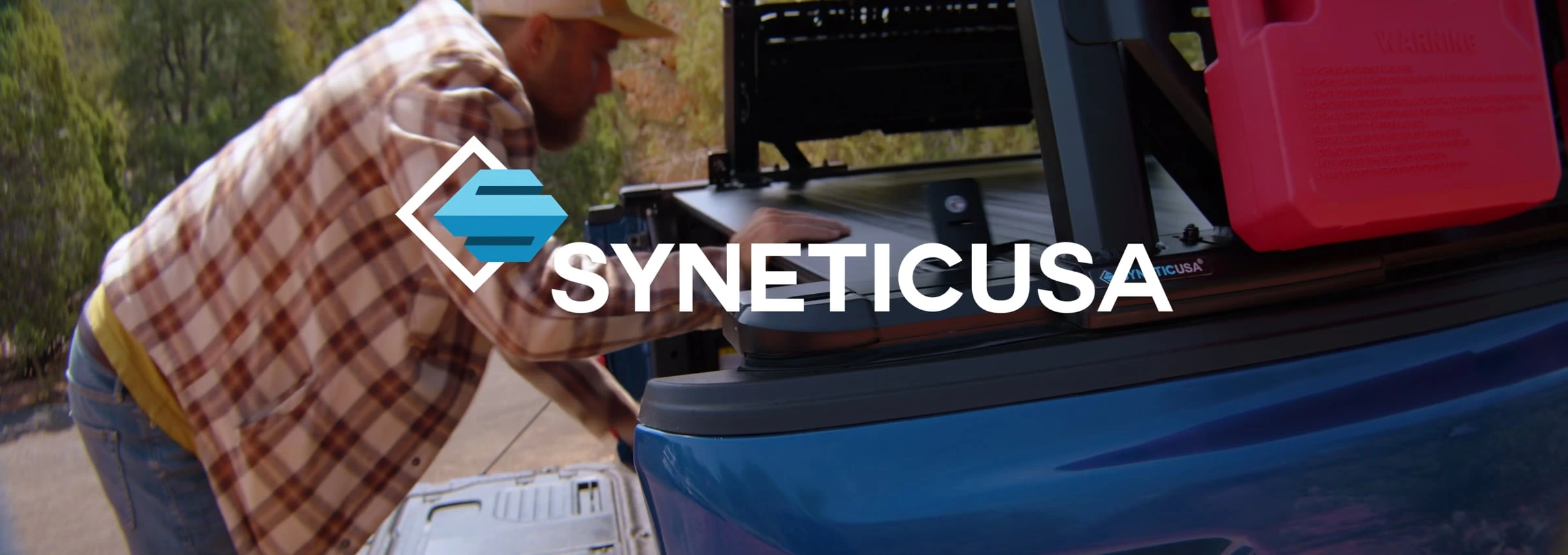
The SyneticUSA Truck Families widescreen Sedona Camping video is exactly this format. And producing it well requires thinking about the format’s specific requirements rather than just cropping existing footage to fit.
What a web banner video is and how it’s used
A web banner video typically lives in the hero section at the top of a website, the full-width area that’s the first thing a visitor sees when they land on a page. Most brands use a static photograph here. Some use a 16:9 video embed with letterboxing. The widescreen video format fills that space edge-to-edge with moving imagery, without letterboxing, in a way that fundamentally changes the visual experience of the page.
Done well, a widescreen hero video makes a website feel immersive rather than like a document. The visitor’s first experience of the brand is motion, a landscape moving, a product being used, a lifestyle being lived, rather than a static image they glance at before scrolling down. That difference in first impression is significant, particularly for lifestyle and consumer brands whose visual identity is central to how they’re perceived.
What makes this format specifically demanding
The aspect ratio determines everything. A 2.35:1 or wider format shows a dramatically wider horizontal field than a standard video frame. What reads as a compelling horizontal landscape in a 16:9 frame may look empty at the edges in a 4:1 frame if the composition wasn’t planned for the wider crop. Planning the frame for a widescreen banner format means composing shots that have visual interest all the way to the edges of a panoramic crop, not just in the center of the frame.
It has to work without audio. Website hero videos autoplay without sound in virtually every browser. The video has to communicate what it needs to communicate through visuals alone, which means the footage needs to be self-explanatory without narration or dialogue, and the motion has to create the mood the brand is going for without musical support. This pushes toward footage that’s visually rich and tonally clear: a landscape with strong light and movement, an activity that reads immediately even without context, a product in use in a setting that communicates the lifestyle at a glance.
It needs to loop cleanly. A website hero video typically loops continuously while a visitor is on the page. A loop that has a visible seam, where the last frame and the first frame create a jarring cut, breaks the immersive quality the format is designed to create. Planning for a clean loop means thinking about the beginning and end of the sequence as a unit, not as separate editorial decisions.
Performance and file size matter. A web banner video that looks beautiful but causes the page to load slowly is working against the brand’s website performance metrics, which affects both user experience and search ranking. Video for web use needs to be optimized for fast loading, compressed appropriately for the display size, delivered in formats that modern browsers handle efficiently.
Motion is more constrained than in standard video. Very fast cuts and kinetic editing, which work well in social video, can be disorienting in a hero banner context where the video is ambient background rather than content being actively watched. The motion in a web banner video tends to be slower, more continuous, and more atmospheric, footage that rewards being looked at peripherally as well as directly.
Why planning for this format requires separate production consideration
The most common approach to web banner video is to take existing footage, from a social campaign, a product video, or a brand film, and crop it to fit the wider aspect ratio. This works sometimes. It works less often than brands expect, because footage composed for 16:9 or 9:16 often has important visual information near the center of the frame that gets pushed to the edges or cropped out in an ultra-wide ratio.
The SyneticUSA widescreen Sedona Camping video is a better example of a different approach: footage planned from the start with the widescreen format in mind, composed to take advantage of the panoramic frame rather than to survive being cropped into it. A red rock landscape in Sedona lends itself to widescreen naturally, the horizontal expanse of the canyon walls, the depth of the desert vista, in a way that’s planned for rather than discovered in post.
Where web banner video appears in a complete brand video strategy
A brand that produces a multi-format video campaign, social vertical, 16:9 social and YouTube, and widescreen web banner, from a single shoot has covered the three primary contexts where their video content needs to function: mobile social platforms, desktop social and video platforms, and their own website.
Each format does something the others can’t. The vertical social clip reaches people on phones in feed environments. The 16:9 video reaches people actively watching content. The widescreen web banner reaches people who have come to the brand’s own site and are forming their first impression of who the brand is.
That first-impression function is what makes the web banner format worth the additional planning effort. A visitor who lands on a website with a beautifully executed widescreen video in the hero is having a different first experience than one who lands on a static photograph or a letterboxed video embed. The brand’s investment in that difference shows, and for lifestyle, outdoor, and consumer brands where visual identity is a competitive advantage, it’s a meaningful investment.
How Realist Films approaches web banner and multi-format production
The SyneticUSA Truck Families widescreen web banner is one example of how a single production can yield not just social content but also a format-specific web asset that makes a brand’s own website work harder. We plan for multiple format deliverables from the beginning of a production, including widescreen web banner where it’s relevant, so that a single shoot day produces content that works across all the contexts a brand needs to reach.
For lifestyle brands, consumer brands, and action sports companies whose websites are a significant part of how they’re discovered and evaluated, a widescreen hero video is often one of the most impactful content investments they can make relative to its production cost.
Have a brand website that would benefit from a hero section that moves, and a video campaign that could produce the widescreen format alongside its other deliverables?
Let’s talk about how to plan for that from the start rather than discovering the format’s limitations in post.