
Why Medical Conferences and Academic Symposia Need Event Sizzle Reels
Every medical conference, academic symposium, and professional education event faces the same challenge: the people who most need to know about it weren’t there. Potential speakers evaluating whether to submit an abstract. Sponsors weighing whether the audience is worth reaching. Early-career researchers deciding whether a registration fee is worth the professional investment. Institutional partners considering whether to send their people.
All of them are making a judgment about what the event is like based on incomplete information, a program committee list, a location, a theme, a speaker lineup. What they can’t see from those materials is the atmosphere, the level of engagement, the quality of the scientific conversation, and whether this is the kind of gathering where something important actually happens.
An event sizzle reel made from the real footage of a conference shows them exactly that.
What a medical conference sizzle reel is doing
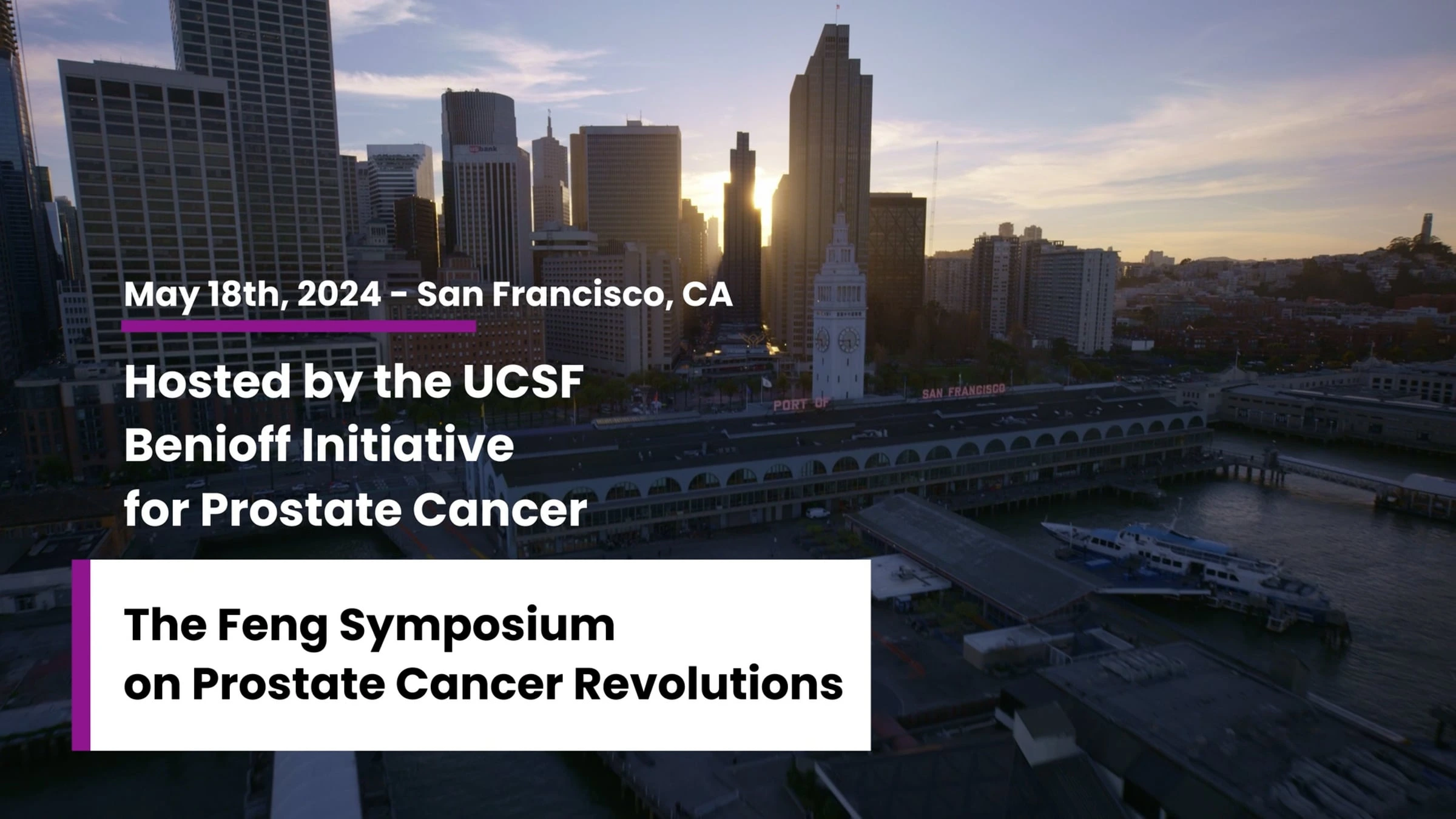
The Feng Symposium on Prostate Cancer Revolutions is now in its ninth iteration, which means it has an established identity, a consistent audience, and a track record of bringing together serious people doing serious work in oncology. The sizzle reel for version 9.0 is doing a specific job: making that track record visible to the people who should be at version 10.0.
A sizzle reel is not comprehensive event documentation. It’s a curated representation of what the event felt like, the energy in a session, the quality of the presenter-audience exchange, the informal conversations between sessions where collaborative ideas happen, the sense of a community of people genuinely engaged with a shared scientific challenge. These elements are difficult to describe and easy to show, which is exactly why video is the right format for them.
For an academic medical event, the sizzle reel also communicates something more specific: the caliber of the participants. A room full of serious oncologists, research scientists, and clinical investigators engaged in substantive discussion looks different from a generic conference crowd, and that difference is visible on camera to the people who know what they’re looking at.
The audiences this content reaches
Future speakers and abstract submitters. A researcher evaluating whether to submit work to a symposium is partly evaluating the venue, not the physical space, but the intellectual one. Is this a gathering where serious scientific exchange happens? Is the audience engaged? Are the questions from the floor substantive? A sizzle reel that captures those moments answers those questions in a way that a speaker invitation letter can’t.
Sponsors and industry partners. Pharmaceutical companies, medical device manufacturers, and healthcare organizations that sponsor medical symposia are investing in access to a specific audience. A sizzle reel that demonstrates the caliber and engagement of that audience, the faces in the room, the quality of the discussion, gives sponsors evidence for the investment they’re being asked to make.
Registration prospects. Early-career physicians, residents, and researchers deciding whether to attend are often operating on limited budgets and competing time demands. A sizzle reel that communicates the genuine value of the experience, the scientific content, the networking quality, the sense of participating in something that matters, converts attendance consideration into registration in a way that a program PDF doesn’t.
Institutional and grant funders. Academic symposia often receive institutional or grant support that needs to be renewed. A sizzle reel that demonstrates the event’s continued impact and reach is useful evidence for those conversations alongside traditional metrics like attendance numbers and presentation counts.
What distinguishes a medical conference sizzle from a general event highlight reel
The format is similar to other event sizzle content, but the specific elements that matter are different.
The scientific content needs to be represented, not just the atmosphere. A general conference highlight reel can lean heavily on crowd energy, networking moments, and production values. A medical symposium sizzle needs to convey that the scientific content is serious, key visual moments from presentations, close-up engagement from the audience during a consequential point, speaker credentials visible in lower thirds. The people evaluating this event are scientists, and they’re assessing whether the intellectual content matches their standards.
Speaker and presenter presentation quality matters. The visual and audio quality with which a featured physician or researcher appears on screen reflects on both the individual and the event. Lower-third graphics that identify speakers correctly and legibly, clean audio from presentations, and flattering but honest lighting all matter more in a medical professional context than they might in a consumer-facing event.
Pacing should reflect the event’s register. A medical oncology symposium is not a tech startup conference. The pace, music selection, and overall tone of the sizzle reel should match the seriousness and intellectual weight of the event, energetic enough to be compelling, substantive enough to be credible to the audience it’s trying to reach.
The production logistics of a medical conference shoot
Medical conferences have specific production considerations that differ from corporate events.
Presentation content is often restricted. Clinical data, research findings, and unpublished results presented at a symposium may be embargoed or restricted from reproduction. A production crew filming a medical conference needs to understand what can be captured on camera and what needs to be handled carefully, filming the presenter and the audience reaction, for instance, without capturing slide content that’s under embargo.
IRB and patient data considerations. Any footage that might incidentally capture patient data, clinical images, or identifiable medical information requires careful handling. A professional crew working in medical conference environments understands these boundaries.
The schedule is dense and doesn’t flex. Medical symposia pack significant scientific content into limited time. A production crew that’s slow to set up, that requires speakers to repeat anything for camera, or that disrupts session flow is not a viable option. Efficiency and unobtrusiveness are requirements, not preferences.
Multiple simultaneous sessions require planning. If a symposium runs concurrent sessions, capturing coverage across all of them requires a multi-camera, multi-crew approach planned in advance, because missing a key moment in one session while covering another isn’t recoverable.
How the sizzle reel becomes the most important marketing asset for the next event
An event sizzle produced from a successful symposium is the single most powerful tool available for promoting the next one, because it shows rather than describes, and what it shows is the thing a prospective attendee most needs to see: proof that the event is worth their time.
For an ongoing symposium like the Feng Symposium on Prostate Cancer Revolutions, version 9.0’s sizzle reel circulates through oncology networks, academic department communications, and professional society channels in the months between events, reaching the researchers, clinicians, and industry professionals who belong at version 10.0 before registration opens. That reach, and the quality of the impression it makes, directly affects the quality of the next event’s attendance.
How Realist Films approaches medical and academic conference production
We’ve produced event coverage and sizzle content for medical symposia, academic conferences, and professional education events with the specific understanding that these contexts have different requirements, around restricted content, professional presentation quality, dense scheduling, and the caliber of the audience being reached, than general corporate events.
The Feng Symposium sizzle is an example of that approach applied to an ongoing annual event with a specific scientific community and a specific set of goals for the content it produces.
Running a medical conference or academic symposium and want event coverage that actually works for next year’s promotion?
Let’s talk about what that production would involve for your specific event.


