
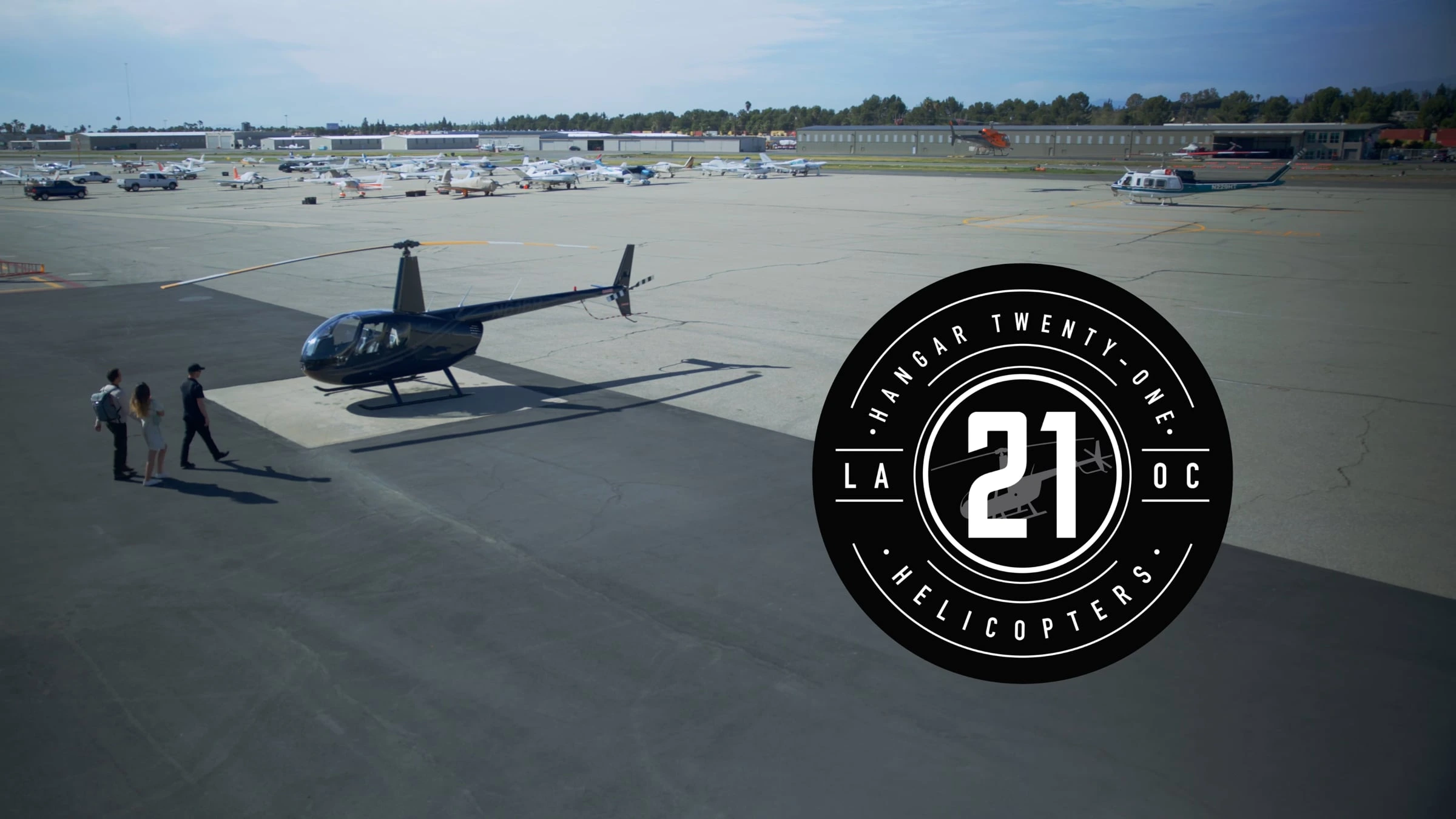
Why Experiential Venues Need Professional Safety Videos — And What Makes Them Actually Work
Every experiential venue has a safety briefing problem. Guests arrive excited, distracted, and eager to get to the experience they came for. The safety information they need to receive before that experience is critical, sometimes genuinely life-critical, but it’s competing with everything their attention would rather be doing. Most safety briefings, in most venues, lose that competition.
The pre-flight safety video Realist Films produced for Hangar 21, an indoor skydiving facility where guests fly in a vertical wind tunnel, exists to solve exactly that problem. The information it contains matters. A guest who doesn’t absorb the correct body position, the hand signals, and the exit procedure before entering the wind tunnel is a guest who’s going to have a worse experience at best and a safety incident at worst.
Getting that information to actually land requires treating the safety video as a production challenge, not just a compliance checkbox.
What a safety video is actually competing with
When a guest at an indoor skydiving facility sits down to watch a pre-flight safety video, they’re physically present but mentally somewhere else. They’re thinking about what it’s going to feel like. They’re watching the instructors. They’re looking at the wind tunnel. They’re talking to the people they came with.
A safety video that starts with a static title card and a monotone voiceover lost before the first sentence finished. A safety video that opens with something visually compelling, actual footage of the experience they’re about to have, or a visual demonstration of exactly what they need to do, has a fighting chance of capturing attention before it wanders.
This is the fundamental design problem of safety video for experiential venues: the content is mandatory but the engagement is voluntary, and a viewer who isn’t genuinely engaged won’t retain what they needed to learn.
What effective safety video for experiential venues requires
Visual demonstration over verbal description. Indoor skydiving body position, arms, legs, chin, is almost impossible to understand from a verbal description alone. Seeing it demonstrated on camera, from multiple angles, by someone doing it correctly, makes the instruction immediately comprehensible in a way that narration can’t achieve. The same principle applies across any experiential activity: the demonstration is the instruction.
The right talent on camera. A safety video featuring instructors who look confident and at ease in the activity environment communicates something to the viewer before a word is spoken: these people know what they’re doing, and this is a place where the activity is practiced safely. That credibility transfers. A safety video featuring someone who looks uncomfortable or reads from a script communicates the opposite.
Concise structure that respects attention. A safety video for an experiential activity should be exactly as long as it needs to be and not a second longer. Every piece of information included should be there because a guest who doesn’t have it will have a worse or less safe experience. Information that’s “good to know” but not safety-critical belongs somewhere else. Respecting the viewer’s attention is how you earn enough of it to communicate what actually matters.
Production quality that matches the venue’s brand. Hangar 21 is a premium experiential venue. A shaky, poorly lit safety video with inconsistent audio signals, however unintentionally, that the organization doesn’t take production quality seriously, which creates a subtle erosion of the confidence a guest brings to the experience. A professionally produced safety video that looks as polished as the rest of the venue’s branding reinforces that everything here is run well.
Pacing calibrated to retention, not just runtime. Information presented too quickly doesn’t stick. A safety video that rushes through the key points to stay under two minutes may be short but ineffective. The pacing should be governed by how long a viewer needs to see and absorb each piece of information, which is often longer than a script-focused producer might naturally allow.
The compliance function and the retention function
Safety videos serve two distinct functions that are sometimes in tension with each other.
The compliance function is about demonstrating that guests received safety information before participating in an activity, a legal and liability consideration that matters to the venue’s insurance, its regulatory compliance, and its defense in the event of an incident.
The retention function is about guests actually remembering and applying what they learned, a safety consideration that matters to the physical wellbeing of guests and staff and to the quality of the experience itself.
A safety video that satisfies compliance but doesn’t support retention is a legal document, not a safety tool. A venue that treats its pre-activity safety video as primarily a legal formality is likely producing content that guests sit through without absorbing, which satisfies one function while failing the more important one.
The production investment in a safety video that actually works, that’s engaging enough to hold attention and clear enough to be remembered in the moment the information is needed, serves both functions simultaneously and is worth considerably more than a compliance-minimum approach.
Where safety videos live in an experiential venue’s operations
The mandatory pre-activity briefing. Shown to every guest before every session, often in a dedicated briefing area adjacent to the activity itself. This is the primary use case, the video needs to work for first-time guests, for repeat visitors who’ve seen it before and are tempted to tune out, and for guests of varying ages, language backgrounds, and attention spans.
Online pre-arrival content. Many experiential venues now send pre-activity safety content to guests before they arrive, via email, booking confirmation, or a website landing page. A well-produced safety video that can live online reduces time pressure at the venue and gives guests the opportunity to absorb information at their own pace before the day-of excitement competes with their attention.
Staff training reference. A safety video that clearly demonstrates correct technique also serves as a reference for staff onboarding and refresher training, showing new instructors or team members what the briefed experience should look like from the guest’s perspective.
How Realist Films approaches safety and training video production
The Hangar 21 pre-flight safety video reflects a production approach that treats safety communication as a genuine design challenge, not a compliance formality to be filmed as cheaply and quickly as possible. That means production quality that matches the venue’s brand, demonstration footage that actually teaches the skills guests need, and pacing that respects how people retain information under conditions of excitement and distraction.
We produce safety, training, and instructional video content for experiential venues, recreational facilities, aviation and aerospace clients, and organizations in industries where the information being communicated has real consequences for the people receiving it.
Have a venue or program that needs a safety or training video that guests and participants will actually absorb?
Let’s talk about what that production looks like for your specific activity and your specific audience.


