Why 4K Cinematic Product Video Is a Master Asset, Not Just a Quality Upgrade
When a production is described as “4K,” the natural assumption is that 4K refers to image quality, more pixels, sharper footage, better looking video. That’s true, but it’s only part of the story. For product and brand video, 4K capture is as much a strategic decision as a technical one, and understanding why requires thinking about where the footage ends up, not just how it looks.
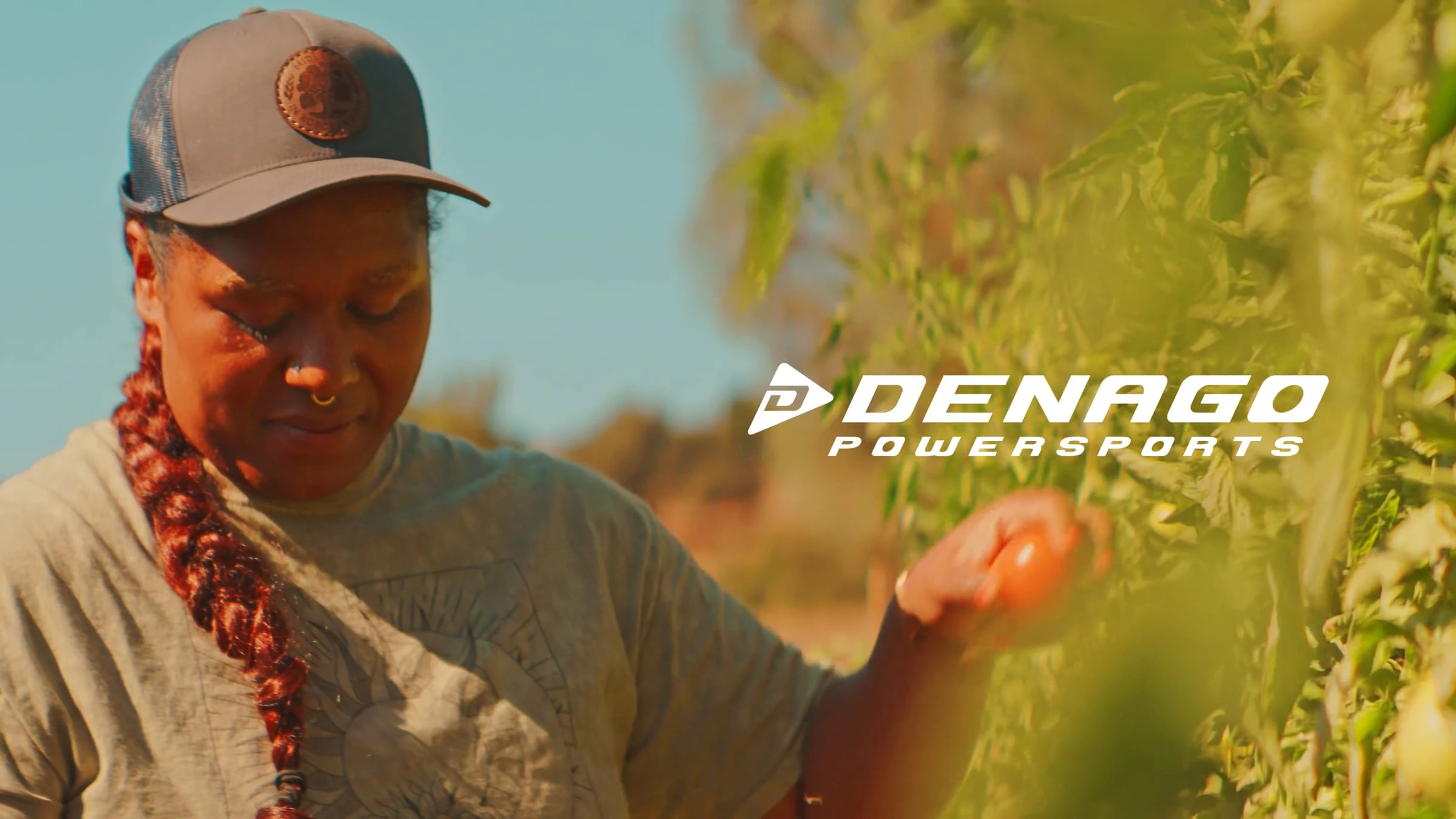
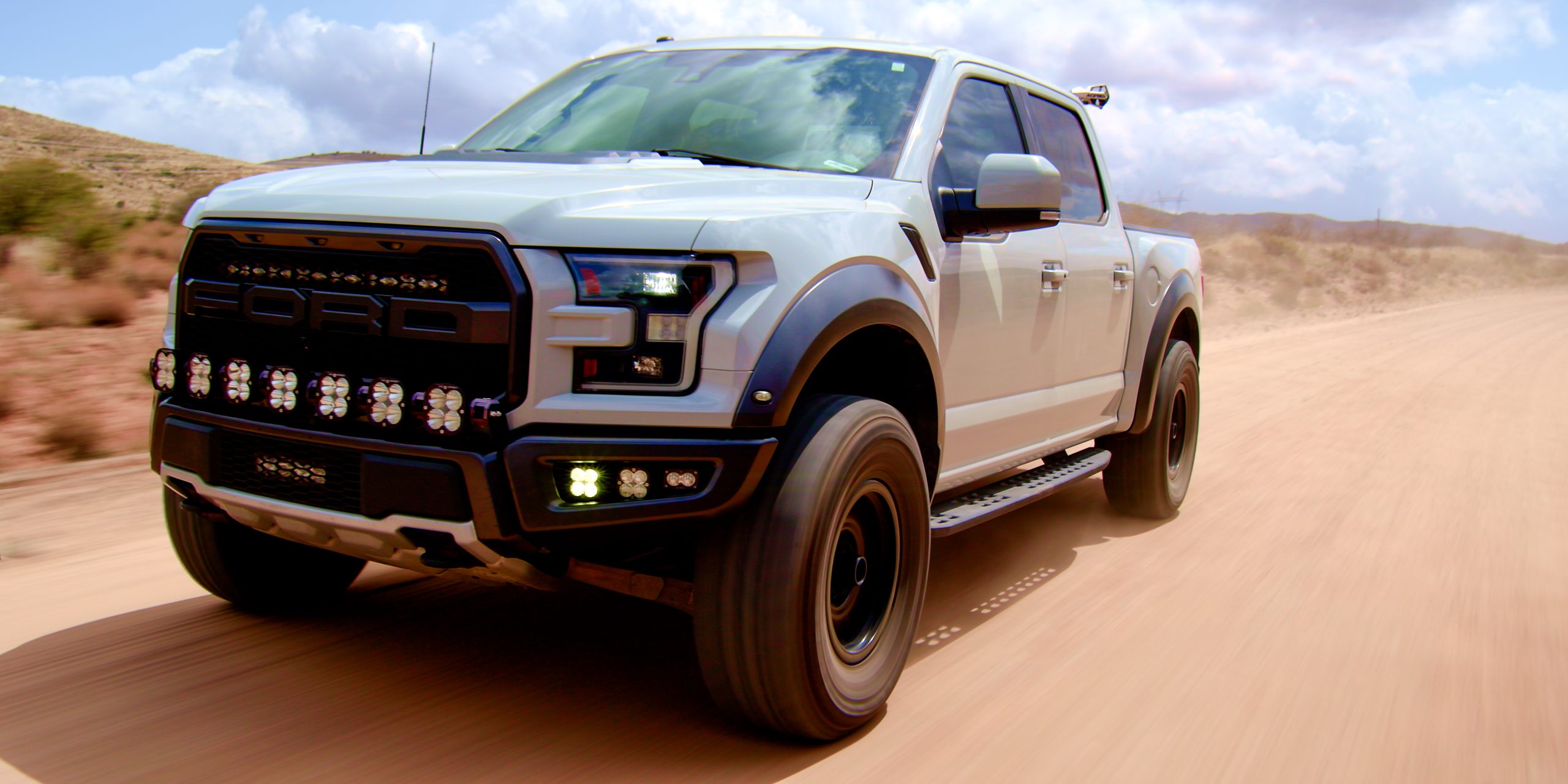
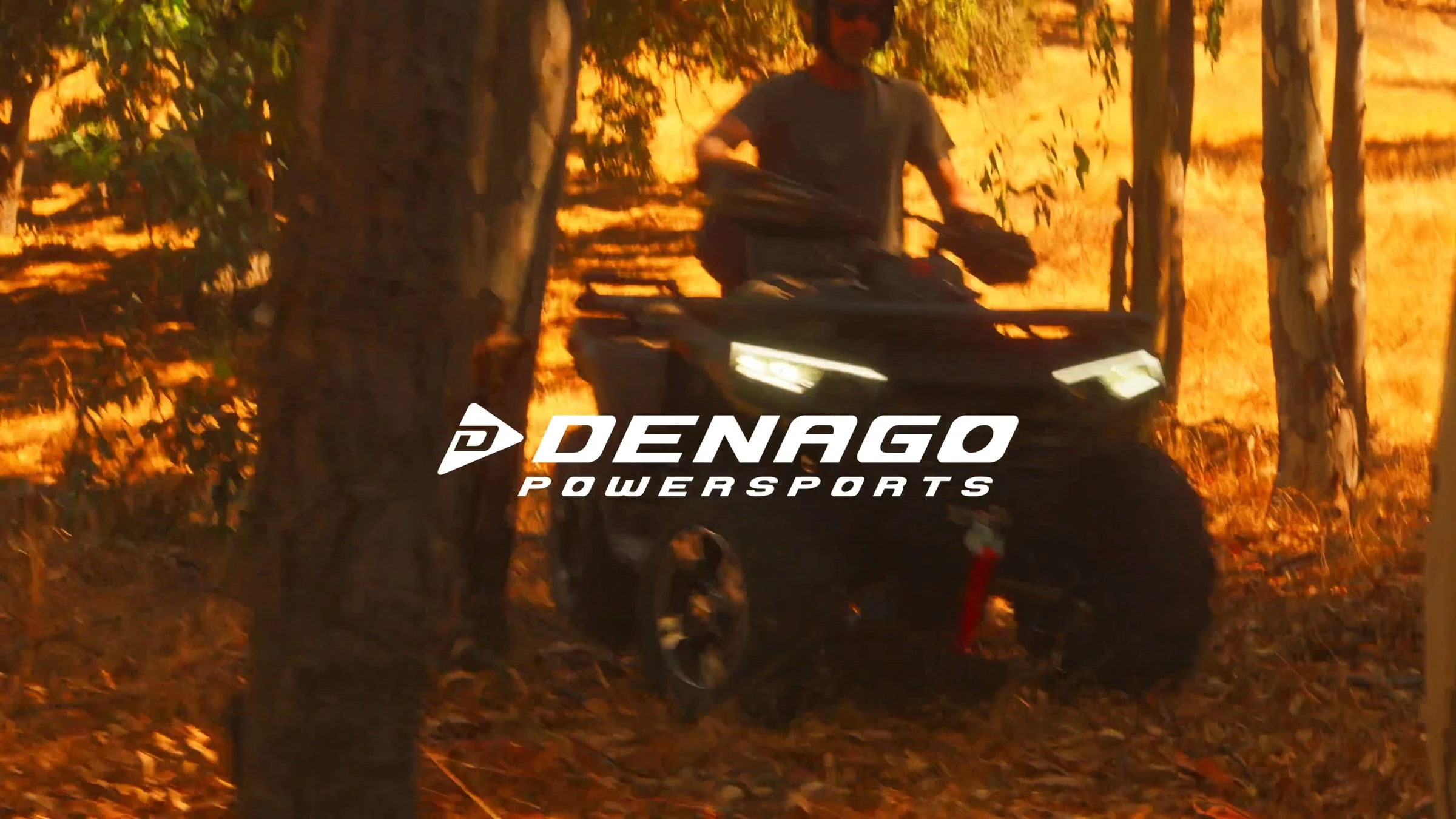
The Denago Freelander Trees 4K piece is an example of this thinking applied to a powersports product campaign. Shot in a forested environment in cinematic 4K, it produces footage that can be used in every distribution context the brand needs, from the compressed social clip to the full-resolution website hero to the large-format display at a trade show booth, without losing quality at any scale.
What “master asset” means in a product video context
A master asset is the highest-quality version of a piece of content, the original, uncompressed, full-resolution source from which all other versions are derived. For a product video shot in 4K, the master asset is a file that contains significantly more visual information than any platform a brand distributes to actually requires or displays.
That surplus information is the point. It’s what allows the same footage to be repurposed across radically different display contexts without degrading, cropped, scaled, reformatted, and compressed for each platform while retaining enough visual quality that the output looks intentional rather than stretched.
A brand that shoots product video in 1080p HD has a master asset sufficient for digital platforms at that resolution. A brand that shoots in 4K has a master asset that covers HD digital platforms and leaves significant headroom for large-format display, broadcast, future platforms with higher resolution requirements, and physical display contexts that standard HD doesn’t serve well.
The display contexts where 4K matters most
Large-format trade show displays. A product video that looks sharp on a laptop screen or a phone can look pixelated or soft when displayed on a large-format trade show screen or a projected surface. 4K footage maintains its quality at scales where HD footage begins to show its limits. For brands that exhibit at trade shows or industry events, and for an outdoor powersports brand, this includes events like powersports expos, agricultural trade shows, and dealer events, this matters directly.
Website hero sections on high-resolution displays. Modern high-resolution displays, Retina screens, 4K monitors, render video at higher pixel densities than standard HD. A website hero video shot in HD can look slightly soft on these displays in ways that 4K footage doesn’t. As high-resolution displays become the standard rather than the exception, this consideration becomes more significant.
Digital out-of-home and broadcast. If a brand’s product video ever ends up in a broadcast context, a television commercial, a digital billboard, a large-format outdoor display, 4K capture provides the resolution foundation that these contexts require. A brand that shoots in 4K has the master asset ready if these distribution contexts become relevant; one that shoots in HD has to reshoot.
Future-proofing against platform evolution. Distribution platforms have consistently moved toward higher resolution standards over time. YouTube’s 4K streaming, Instagram’s increasing video quality requirements, emerging AR and VR contexts that require very high resolution source material, all of these benefit from a 4K master asset that was planned for rather than an HD asset that needs to be reshot when the platform standard moves.
The cinematic forest environment and why it showcases 4K
The Trees / forested environment is a deliberate choice for demonstrating 4K cinematic quality. Natural environments, particularly forested ones with complex texture, depth, and the play of light through leaves, are among the most visually demanding subjects for a camera sensor. The complexity of detail in a forest environment: individual leaves, bark texture, dappled light, depth across a canopy — is exactly what separates 4K capture from HD capture most visibly.
A product shown in a forested 4K environment benefits from that visual richness in two ways. The footage looks genuinely cinematic, the kind of image quality that reads as high-end rather than functional. And the vehicle is placed in an environment that communicates something specific: that this UTV goes where trees are, into the kinds of terrain that outdoor and agricultural buyers care about.
The forest context is also a third distinct environment for the Denago Freelander campaign, ranch, farmland, and now forest, extending the campaign’s coverage of the terrain and operational contexts where the vehicle is used without repeating any of the previous content.
4K capture and post-production flexibility
One underappreciated advantage of 4K capture for product video is the post-production flexibility it creates. When footage is shot in 4K, an editor working at an HD delivery resolution has room to crop, reframe, and stabilize within the 4K frame without reducing the output below HD quality.
This means:
Shots can be reframed in post without reshooting. If a shot that was composed for a horizontal 16:9 format needs to work in a vertical 9:16 social cut, a 4K source file allows a crop that creates a new 9:16 frame from within the original 4K horizontal frame, without reducing the output resolution below what the social platform requires.
Stabilization doesn’t cost resolution. Digital stabilization in post-production works by cropping into the frame to eliminate movement. With a 4K source file, a stabilized HD output still uses most of the original frame, maintaining image quality. With an HD source file, the crop for stabilization degrades the final resolution more significantly.
Color grading has more latitude. 4K capture from professional cameras typically comes with greater dynamic range and bit depth than HD capture, which gives a colorist more flexibility in the grade, particularly in high-contrast natural environments like a forest with bright sky and shadowed ground.
The production investment and how it compounds
Shooting in 4K typically requires more capable cameras, larger storage, and somewhat more demanding post-production workflows than HD capture. For a product campaign that’s going to be used across multiple contexts and multiple years, that additional investment compounds in value.
The Denago Freelander 4K master asset is footage that will serve the brand’s website, their trade show presence, their digital advertising, and their social media, across platforms and contexts that exist today and platforms that don’t exist yet, without requiring a reshoot when the distribution need arises.
That’s the real value of 4K master asset thinking: not the resolution itself, but the strategic flexibility it creates across the full lifecycle of the content.
How Realist Films approaches 4K product and brand video
We shoot commercial, product, and brand video in 4K as a standard practice for clients where the distribution contexts warrant it, understanding that the master asset decisions made during production determine what’s possible in distribution for the lifetime of the content.
The Denago Freelander Trees 4K piece is one example of how cinematic 4K capture in a visually demanding natural environment produces footage that serves multiple distribution contexts from a single production investment, website hero, social, trade show, broadcast, without sacrificing quality at any scale.
Have a product or brand that needs video that holds up everywhere you need to show it, from a phone screen to a trade show wall?
Let’s talk about what 4K master asset production looks like for your specific distribution needs.