
Filming in the Wild: What Landscape Cinematography in Extreme Environments Teaches About the Craft
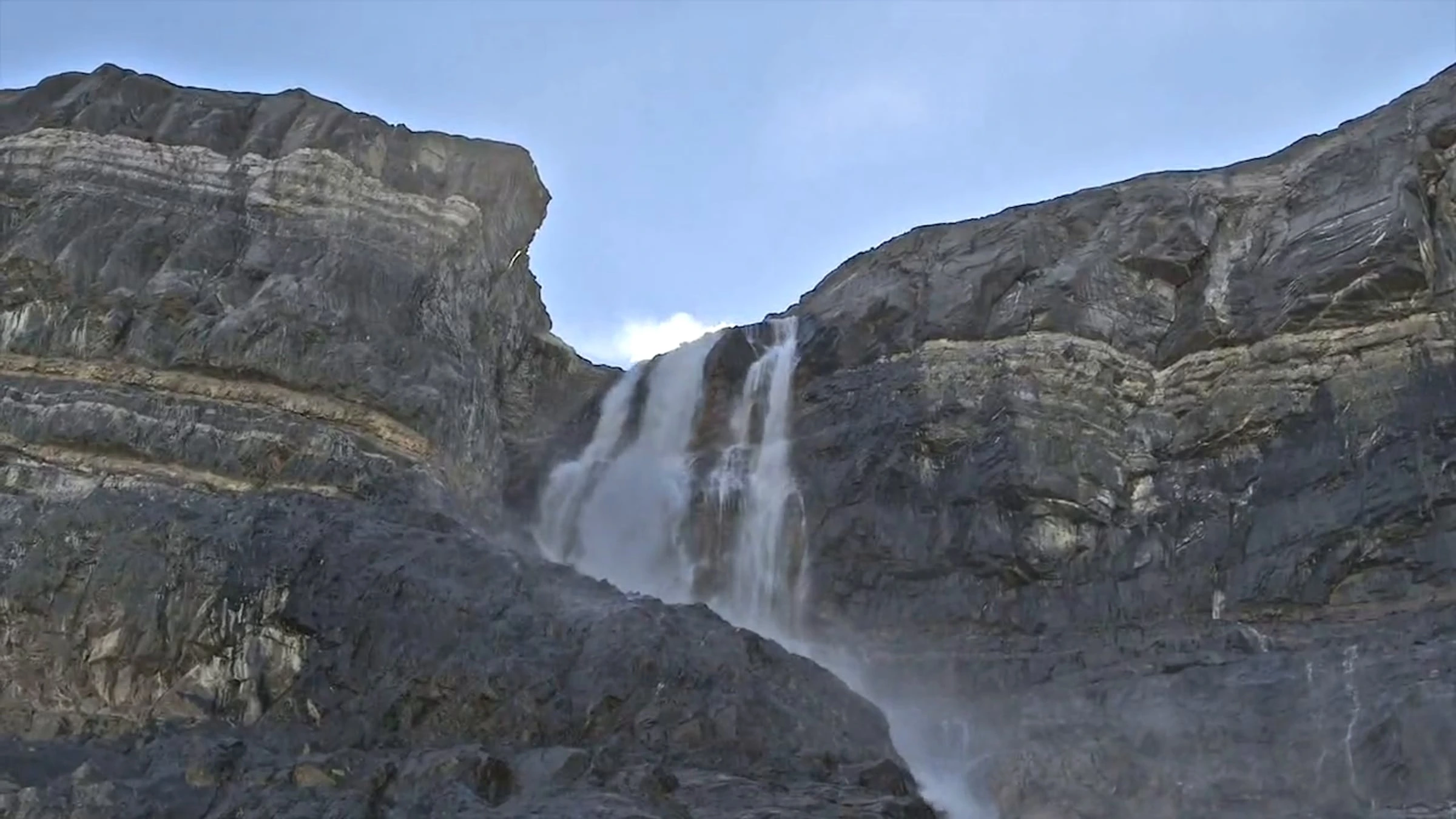
There’s a category of location that exists at the outer edge of what commercial production typically reaches, remote, physically demanding, environmentally unforgiving, and profoundly worth capturing. Bow Glacier on the Icefields Parkway in Banff National Park is one of those places. A receding glacial formation above a turquoise lake, in one of the most spectacular mountain landscapes in North America, in conditions that don’t adjust themselves for a camera crew.
The Bow Glacier piece Daniel Barre filmed for Realist Films wasn’t a client job. It was the kind of work a cinematographer does because the place exists and deserves to be seen, because being able to capture it is its own reason to go.
What it produced, beyond the footage itself, is a set of capabilities and instincts that don’t develop in a studio or on a controlled commercial set.
What remote natural environment production requires
Physical access is a production decision. Getting to Bow Glacier means hiking through alpine terrain to reach a vantage point with a meaningful view of the ice. Every piece of equipment that goes with you has to be carried there. Every camera, lens, and support system is a weight decision before it’s a creative decision. The cinematographer who has worked in remote natural environments develops a specific discipline around equipment selection, knowing what’s essential, what can be left behind, and what the minimum viable kit looks like for a specific kind of shot.
Cold affects everything. Camera batteries discharge faster in cold temperatures. Moisture from breath condenses on lenses. Metal surfaces become painful to touch without gloves. Hands that are managing a camera in sub-zero conditions have different dexterity than hands in a warm studio. A cinematographer who has filmed in alpine and glacial environments has dealt with all of these realities and knows how to manage them, which batteries to keep warm, which lens surfaces to protect, how to work efficiently when the environment is actively working against you.
Light at altitude and latitude is different. The quality of light in the Canadian Rockies, particularly the way it falls on ice and water in the Bow Valley, is distinct from anything available in Southern California or urban production environments. It changes rapidly, requires reading the sky well in advance of the shot, and rewards the kind of patient observation that develops from spending time with a camera in natural environments rather than building light in a controlled space.
The glacier won’t wait. There’s no “let’s try that again from a different angle.” Conditions change, weather moves in, the light that existed thirty minutes ago is gone. A cinematographer working in this environment develops the ability to make decisions quickly when something is worth capturing, to see the composition, set up efficiently, and commit before the moment passes. That decisiveness is valuable in commercial production contexts where the schedule doesn’t allow for extended deliberation.
The environmental dimension of glacial cinematography
Bow Glacier is a retreating glacier. Like most glacial formations in the Canadian Rockies, it has receded significantly over the past century and continues to recede as the climate changes. Filming it is, among other things, an act of documentation, creating a visual record of something that exists now and will exist less of in the future.
This dimension doesn’t have to be made explicit in the footage to be present in what the footage means. A landscape piece that shows the current state of a glacial system carries significance that a landscape piece showing a static geological feature doesn’t. The question of what this place will look like in twenty years is implicit in the frame.
For organizations working in environmental communication, sustainability storytelling, or conservation advocacy, the kind of work where visual documentation of natural systems matters, this understanding of landscape as something that changes over time is part of what a cinematographer who has worked in these environments brings to the project.
What filming in places like this builds
The capabilities that develop from working in remote, extreme natural environments are specific and valuable in ways that are different from the capabilities developed in commercial production contexts.
Visual patience. Waiting for the light, the cloud, the moment, without the option to manufacture any of it, builds a different relationship to timing than a production schedule allows. That patience shows up in commercial work as the willingness to hold a shot longer, to let a moment develop, to not cut before something meaningful has fully registered.
Equipment versatility. Working with a minimal kit in a demanding environment requires knowing how to get the most from what’s available rather than reaching for the next piece of gear. A cinematographer who has produced compelling footage with a Canon C100 in alpine conditions knows how to work effectively at every level of equipment complexity.
Environmental literacy. Reading terrain, weather, and light as production inputs rather than background conditions is a skill developed through time spent in natural environments. It’s the equivalent of what an urban location scout develops from years of reading city spaces, an instinctive understanding of where the shot is and when.
Why this work connects to commercial production
The connection between personal landscape work and commercial production capability isn’t abstract. It’s specific and traceable.
The timelapse discipline from the Full Moon over Mount Maxwell piece connects directly to the USRC SRDRS military documentation timelapses. The drone aerial work from the Wild Horses in New Mexico piece connects to commercial real estate, hospitality, and event aerial production. The remote environment cinematography from Bow Glacier connects to any commercial production that happens outside controlled conditions outdoor lifestyle brands, travel and tourism clients, environmental organizations, adventure sports, energy infrastructure documentation in remote locations.
Each piece of personal work is an investment in capability that the next commercial project can draw on. The glacier footage isn’t a portfolio piece in the conventional sense. It’s a record of what was learned there.
Realist Films: production across environments
Daniel Barre’s personal cinematography work, in the Canadian Rockies, on Salt Spring Island, in the New Mexico desert, represents the range of environments Realist Films has developed the capability to work in. That range matters for commercial clients whose projects take them outside comfortable, controlled production contexts: environmental organizations, outdoor brands, adventure and lifestyle companies, energy and infrastructure clients, and anyone whose story requires going to where the story actually is.
Have a production that needs to happen somewhere difficult, remote, extreme, or simply far from a studio?
Let’s talk about what that looks like and what it takes to bring back footage worth using.


