
Why Non-Profit Organizations Need Impact Story Videos — And What Makes Them Work
Every non-profit organization has data. Program reach numbers, outcome metrics, demographic breakdowns, budget efficiency ratios. Boards and grant committees need this information, and producing it is important. But data doesn’t move people to give. Stories do.
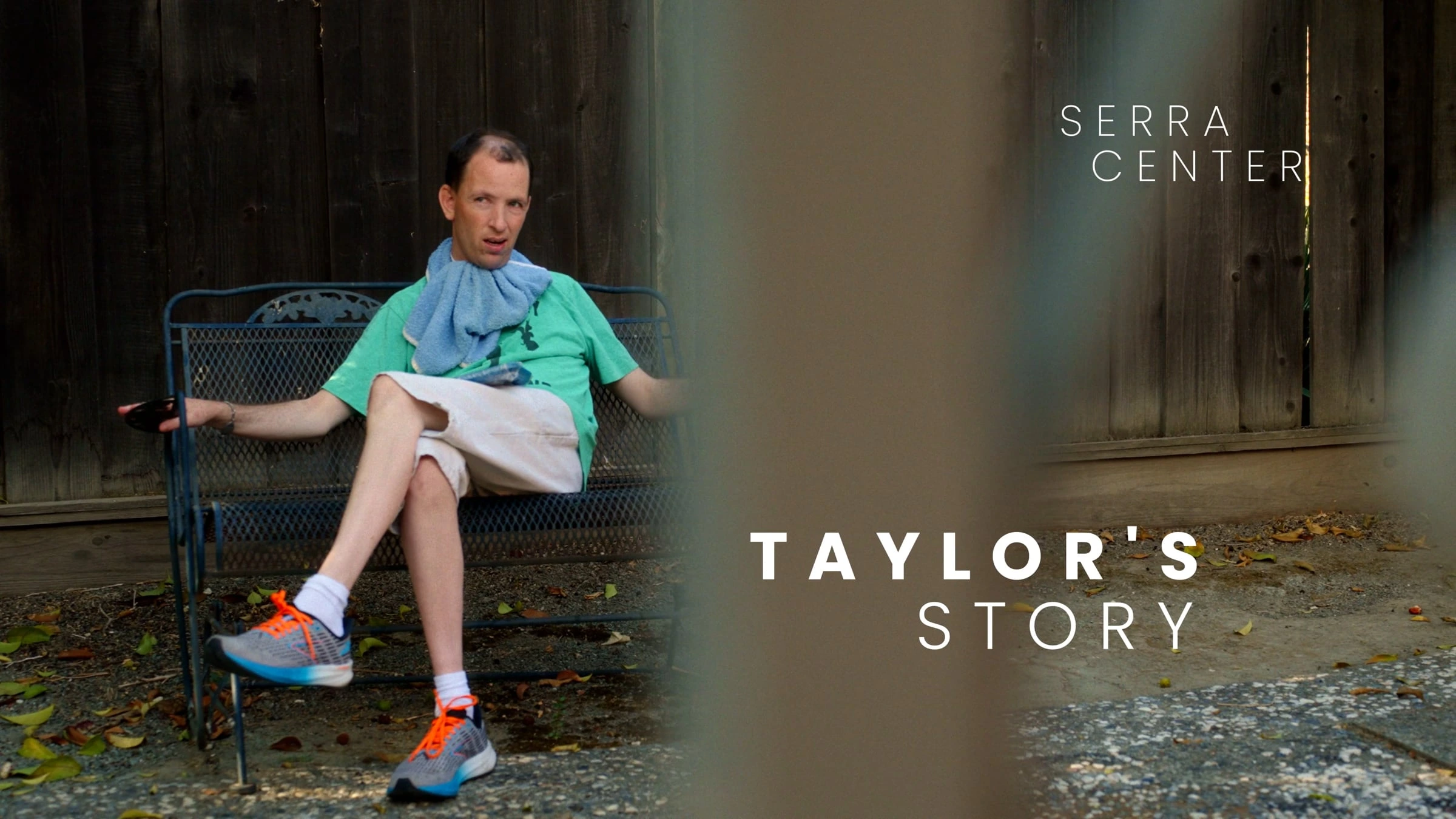
The Serra Center’s “Taylor’s Story” is built on this reality. Serra Center serves people with developmental disabilities a mission that’s meaningful in the abstract and becomes genuinely affecting when it’s attached to a specific person’s life, told in their own words or through the words of someone who loves them. Taylor’s story does what no impact report can: it makes the mission feel personal to someone who has no direct connection to the organization.
That capacity to make a stranger care about someone they’ve never met is what impact storytelling video does for non-profits that text and statistics simply can’t replicate.
What impact stories are actually trying to accomplish
Non-profit video content serves several audiences simultaneously, and the same piece often needs to do different work for each of them.
Donors and prospective donors need to feel the impact of their gift in human terms before they’ve given it, and to feel it confirmed after they have. An impact story that puts a real person’s experience on screen gives a donor a face and a name to attach to their contribution which is the most direct way to convert a general belief in a mission into a specific act of giving.
Community members and the general public who may not know the organization need a reason to care about the work before they have any personal connection to it. A personal story does this faster and more durably than any organizational description people are wired to respond to other people’s narratives in a way they simply aren’t wired to respond to mission statements.
Grant funders and institutional supporters who need evidence of impact often respond more readily to a well-produced human story alongside the quantitative reporting than to data alone. A story that illustrates what the numbers represent gives reviewers something to remember when advocacy for funding happens in a room they’re not in.
Staff, volunteers, and internal stakeholders benefit from impact stories too. An organization that documents and shares the real-world meaning of its work reinforces the mission internally in a way that keeps people connected to why the work matters, particularly for teams that don’t have direct daily contact with the people being served.
What makes a non-profit impact story work on camera
The difference between an impact story that moves people and one that feels like an organizational pitch wearing a human face is almost entirely about authenticity and authenticity in this context is both a production and an ethical question.
The subject has to be genuinely comfortable. This sounds basic, but it has real production implications. A person describing a vulnerable experience disability, hardship, a family’s struggle needs to feel completely safe before the camera goes on. A production team that rushes this, that treats the pre-interview process as a formality rather than a genuine human interaction, will produce footage that carries the discomfort of the subject. That discomfort transmits directly to the viewer and undermines the very trust the video is trying to build.
The story has to be specific. The temptation in non-profit storytelling is to make the subject’s experience representative to smooth the specific into the general so that more potential donors can see themselves in the story. This almost always weakens the impact. Specific details a particular moment, a precise change, an exact thing someone said are what make a story feel real rather than constructed. The paradox is that the more specific a story is, the more broadly it resonates, because specificity is the signal of truth.
The organization has to stay in the background. An impact story where the non-profit is visibly managing the narrative where the subject seems to be saying what they’ve been asked to say rather than what they actually feel loses credibility instantly. The best non-profit impact videos are ones where the organization’s role is evident in the story but the story itself belongs to the person telling it.
The emotional arc has to be honest. Non-profit storytelling has a tendency toward resolution the challenge overcome, the life transformed, the happy ending. Real impact stories are often more complicated than that, and content that acknowledges ongoing difficulty alongside genuine progress often lands harder than a too-neat narrative. Donors who feel they’re being shown a complete picture trust the organization more than those who feel they’re being shown a curated one.
The production considerations specific to this work
Interview subjects are often not experienced media participants. People with developmental disabilities, family members navigating difficult circumstances, individuals whose stories involve vulnerability these subjects require a production approach built around patience, flexibility, and genuine human engagement rather than efficiency and shot-list adherence. A crew that can slow down, follow the subject’s pace, and prioritize the person’s comfort over the production schedule will consistently produce better content than one that can’t.
Location choices matter more than in commercial production. Filming Taylor’s story at Serra Center, in the environment where the work actually happens, connects the personal narrative to the organizational mission in a way that a neutral location interview doesn’t. The space itself is evidence of the quality of the environment, the investment in the people served, and the reality of the daily experience the story is describing.
Music and editing carry unusual weight in this format. The emotional journey of an impact story is built substantially in post-production. Music selection that genuinely matches the emotional arc of a specific story rather than generic inspirational scoring applied indiscriminately makes a meaningful difference. Editing that gives emotional moments room to breathe rather than cutting to maintain pace treats the subject’s experience with the respect it deserves and gives the viewer time to actually feel something.
Release and consent require extra care. Depending on the subjects being featured particularly individuals with developmental disabilities or minors — the consent and release process may involve additional considerations beyond a standard media release. A production team that understands this and handles it properly protects both the subject and the organization.
Where non-profits use this content
Fundraising campaigns. An impact story featured in an annual appeal, a year-end giving campaign, or a major gift solicitation gives donors the human connection that converts intention into action. Digital campaigns that lead with video consistently outperform those that lead with text or statistics.
Gala and event programming. Impact videos played at fundraising events do the emotional work that prepared remarks and program descriptions can’t they remind a room full of donors, in three minutes, why they’re there and who benefits from their presence.
Social media and digital outreach. Short-form impact content distributed on Instagram, Facebook, and YouTube extends an organization’s reach to audiences who would never attend an event or respond to a direct mail appeal. For younger donor demographics especially, this is increasingly where first contact with a non-profit’s mission happens.
Grant applications and funder reporting. A video that illustrates what quantitative outcomes actually mean in human terms gives grant reviewers something to advocate with when funding decisions are being made.
Board engagement and volunteer recruitment. Impact stories shared internally keep mission-connected people connected to the real work particularly for board members and volunteers who may be several steps removed from direct program delivery.
How Realist Films approaches non-profit impact storytelling
The Serra Center “Taylor’s Story” reflects the care this format requires in the pre-production process of building trust with the subject, in the interview approach that prioritizes the person’s comfort and authentic voice over production efficiency, and in the editorial choices that give the story room to be what it actually is rather than what an organizational narrative might prefer it to be.
We work with non-profit organizations, social service agencies, and mission-driven organizations on impact content that earns its emotional resonance rather than manufacturing it because the difference between those two things is visible on screen, and donors can feel it.
Have a person whose story deserves to be told on camera — and an organization whose mission depends on telling it well?
Let’s talk about how to approach this kind of production with the care it requires.


