What Aerial Drone Cinematography in the Wild Reveals About a DP’s Eye
There’s a specific kind of video that tells you more about a Director of Photography than any client showreel can. It’s the work they do when there’s no brief, no deliverable, no account manager asking for revisions. The work they do because they saw something and wanted to capture it.
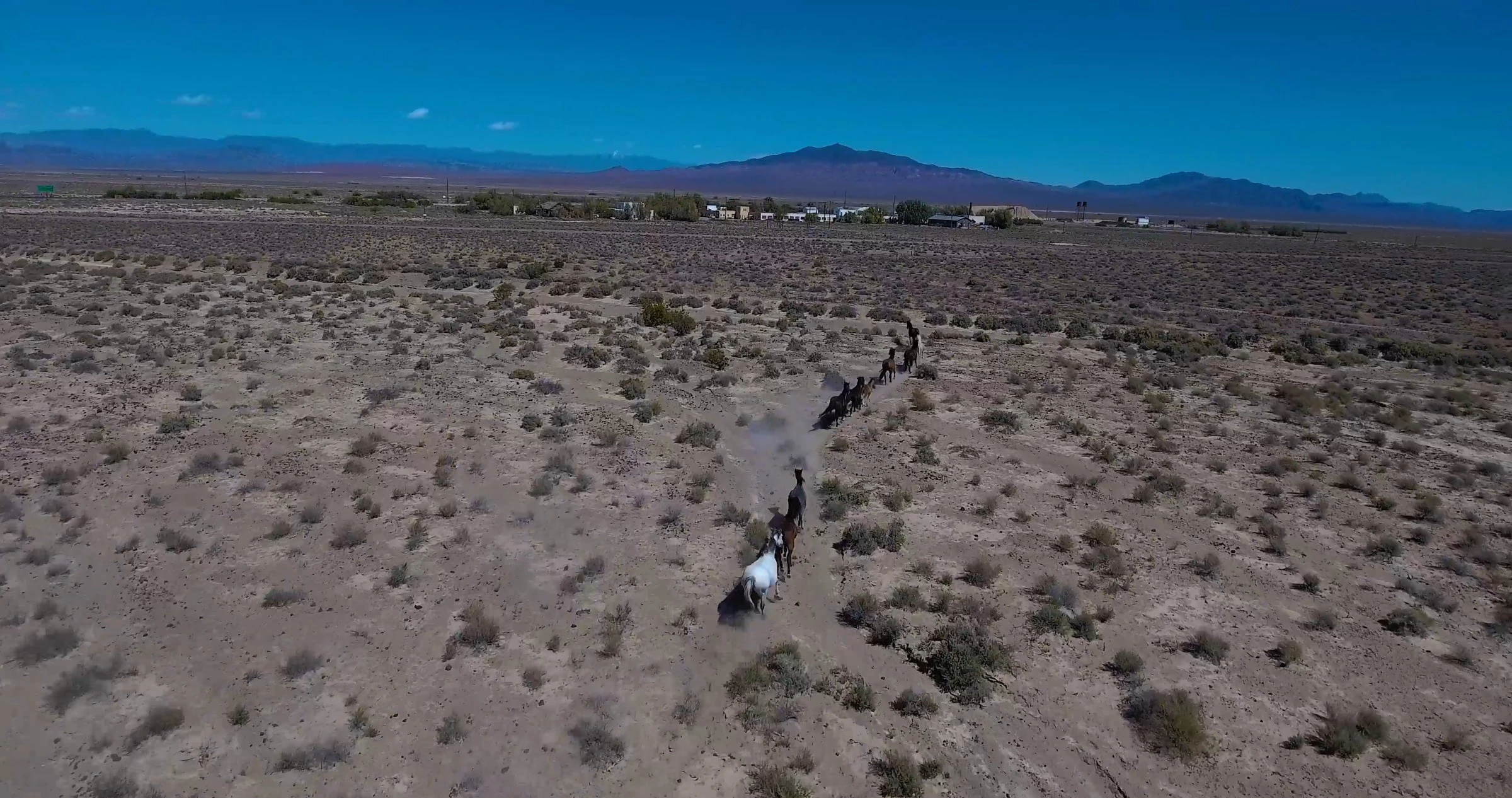
Daniel Barre’s Wild Horses in New Mexico, shot in 4K with a DJI Phantom 4 drone — is that kind of work. Wild horses moving through a desert landscape, captured from above in a way that communicates their scale, their freedom, and the particular quality of high-desert light. No product to feature. No message to deliver. Just a cinematographer’s eye and a machine capable of going where no tripod can.
What it reveals about the person behind the camera matters as much for a prospective client as anything in a commercial portfolio.
Why personal work matters in a professional portfolio
Commercial production work shows what a DP can do when the constraints are defined by someone else, the client’s brand, the director’s vision, the shot list built around a deliverable. That work is important evidence of capability. But it also reflects the accumulated decisions of everyone involved in the production, not just the person operating the camera.
Personal work, work with no client, no art director, no brief, shows something different: how the DP actually sees. What they choose to frame when the choice is entirely theirs. How they move through an environment. What kind of light they’re drawn to and when they decide to turn the camera on.
For a client evaluating a production company or a DP, personal work like the New Mexico drone piece provides a different and complementary kind of evidence. The commercial portfolio shows range and reliability. The personal work shows sensibility.
What drone cinematography in natural environments requires
Shooting aerial footage of wild animals in an uncontrolled natural environment is technically demanding in ways that commercial production work rarely replicates.
You don’t control the subject. Wild horses don’t follow a shot list. They move when they want to, in directions determined by their own logic. A drone operator capturing them has to anticipate, react, and make compositional decisions in real time, which requires a different kind of skill than executing a planned shot in a controlled location.
Natural light doesn’t cooperate on request. The quality of light in high desert New Mexico, the angle, the color temperature, the relationship between shadow and highlight in open landscape, changes continuously and can’t be adjusted. A DP working in this environment makes decisions about when to fly and when not to, based on reading the light rather than building it.
The physics of drone flight in open terrain require precise control. Wind, altitude, and the distance between the drone and the subject all affect what the camera sees and how stable the footage is. Capturing smooth, cinematic aerial footage of animals moving through an open landscape, rather than jerky repositioning shots, requires a level of piloting skill that isn’t obvious from the technical specifications of the equipment.
4K capture in a high-contrast natural environment requires careful exposure decisions. Desert landscapes present significant dynamic range challenges, bright sky, sunlit sand, and shadowed subjects can all appear in the same frame. Exposure decisions that preserve detail across that range, rather than blowing out the highlights or losing the shadows, require technical judgment that shows in the footage.
What the footage communicates about perspective
The New Mexico wild horse piece is built around a specific quality of aerial observation, the view from above that reveals the relationship between the horses and the landscape they move through in a way that ground-level footage can’t provide.
From above, the horses are both small and significant. Their movement through the desert, the patterns they make, the distances they cover, the way they respond to each other, becomes visible in a way that a ground-level camera couldn’t show without being close enough to change how they behave. The drone creates a vantage point that’s genuinely removed from the subject, which is part of what gives the footage its sense of witnessing something that would have happened the same way whether a camera was there or not.
That quality, unobserved observation, is one of the things aerial cinematography does in natural environments that has no equivalent in ground-based production. It’s also one of the things that makes footage like this genuinely compelling to watch, rather than just technically impressive.
What personal work like this communicates to a prospective client
A DP who shoots personal work in demanding natural environments with no commercial pressure is demonstrating several things simultaneously.
They’re genuinely interested in the craft beyond the paycheck, which tends to correlate with the kind of attention to quality that makes a difference in commercial work. They’re comfortable making independent creative decisions, which matters for clients who want a production partner rather than a technical executor. And they’ve developed capabilities, drone operation in challenging natural environments, working with available light under unpredictable conditions, capturing uncontrolled subjects, that transfer directly to commercial contexts where similar challenges arise.
The wild horses piece isn’t a commercial for drone services. But a brand looking for aerial content that communicates genuine visual intelligence, not just footage from above, but footage from above that’s actually worth watching, is looking at exactly the evidence they need.
How Realist Films’ aerial capability is grounded in craft
The drone work Realist Films brings to commercial productions, real estate, hospitality, powersports, corporate, is an extension of the same visual sensibility visible in the New Mexico piece. The equipment is more capable now. The applications are different. But the eye that decides when to fly, where to position the camera, and when the light is worth capturing is the same one that followed wild horses through the high desert with a Phantom 4.
That’s not incidental to what a production company is. It’s central to it.
Looking for aerial cinematography that brings genuine visual intelligence to your production rather than just coverage from above?
Let’s talk about what that looks like for your specific project.


