Personal Legacy Videos: Why Capturing Someone’s Story Matters Before It’s Too Late
There’s a conversation most families put off until it’s too late. Not because they don’t value the stories their parents and grandparents carry, they do, deeply, but because there’s always a next visit, a next holiday, a next time when it will feel less awkward to sit someone down with a camera and ask them to talk about their life.
And then one day there isn’t a next time.
A personal legacy video is the formal version of the conversation most families wish they’d had. It’s an interview, structured enough to draw out the stories that matter, relaxed enough that the person telling them sounds like themselves, captured on camera and edited into something that can be kept, shared, and returned to across generations.
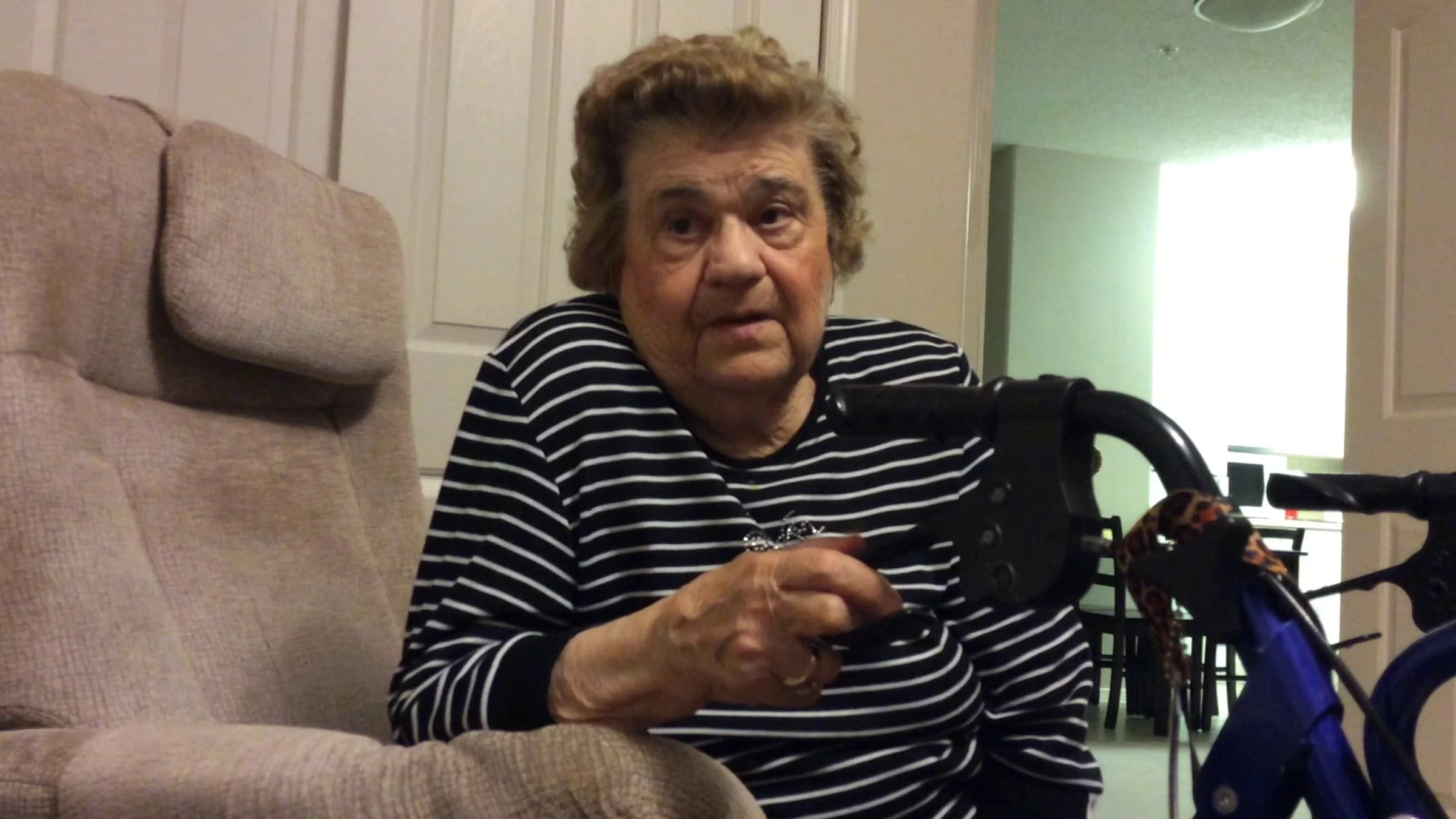
Kaye Shandro’s story about her family is exactly this kind of video. Not a commercial, not a promotional piece, not a tribute to someone who has already passed. A living person, telling a story about her family, in her own words, while she still can.
What a personal legacy video actually captures
The obvious answer is stories. But it’s more specific than that.
A personal legacy video captures the particular way someone tells a story their vocabulary, their humor, the things they emphasize, the details they notice that nobody else would. It captures the sound of their voice, the expression on their face when they describe something they loved or survived or can’t quite believe happened. It captures the particular quality of knowing that comes from having lived through something rather than having read about it.
These things are irreplaceable. A written account of the same stories is valuable, but it’s a translation, filtered through someone else’s words, or filtered through the subject’s own sense of what’s appropriate to write down. A video is the unmediated thing itself. The person, telling the story, in real time.
For families with members who are aging, whose health is uncertain, or who simply carry stories that deserve to be preserved, this distinction matters enormously.
The stories that most need to be captured
Not every story is equally at risk of being lost. Some stories get told regularly and are well-known within a family. Others live in one person’s memory and almost never get voiced — not because they’re secret, but because the right question was never asked in the right moment.
A personal legacy interview, conducted by someone experienced at drawing out narrative, often surfaces stories the family didn’t know were there. A childhood memory that was never mentioned because it seemed ordinary. A decision made under circumstances the subject assumed everyone understood. A piece of family history that existed only in the subject’s understanding of events they experienced or were told about by someone who is no longer alive.
These are the stories that disappear when the person who holds them does. A legacy video is the intervention that stops that from happening.
What makes a personal legacy interview work
The interviewer needs to be a genuine listener. A personal legacy interview is not a structured questionnaire. It’s a conversation with a direction, one that follows the subject wherever the most interesting material leads, even if that’s not where the pre-planned questions pointed. The best legacy interviews feel like the subject discovered something while telling it, because they did, and that discovery is visible on camera in a way that a rehearsed account never is.
The environment needs to feel safe, not formal. A subject who feels like they’re performing for a camera will give a different interview than one who feels like they’re simply talking to someone who’s genuinely interested in what they have to say. The physical setting, the subject’s home, a meaningful location, somewhere comfortable, and the pacing before the camera rolls both contribute to creating conditions where the real stories come out rather than the curated ones.
The right questions open rather than direct. Questions that ask for specific memories rather than general reflections tend to produce richer material. “Tell me about the day your family arrived” produces more than “what was immigration like for your family.” “What do you remember about your grandmother’s kitchen” produces more than “describe your relationship with your grandmother.” Specificity unlocks narrative.
Multiple sessions sometimes work better than one. A single interview session captures the stories that come up first, which are often the most familiar and most rehearsed. A second session, often a week or two later, tends to surface the less-practiced stories that the first session loosened up. For legacy videos that are intended to be comprehensive, planning for multiple conversations produces richer material than trying to get everything in one sitting.
Who benefits from personal legacy video
Families with aging members whose stories span significant historical moments, immigration, war, major social change, professional achievements, or simply decades of lived experience that the generation following them hasn’t witnessed.
Families with members in declining health who want to capture stories and presence while both are still fully available. A legacy video produced now is a different and more complete document than one produced later under different circumstances.
Families who have recently experienced a loss and want to ensure that the remaining members’ stories are preserved, motivated by the recognition that they waited too long with someone else.
Individuals who want to tell their own story on their own terms, while they have full capacity to shape how they’re represented and what they want their family to know about their life.
Organizations and institutions with founders, long-tenured leaders, or members whose personal histories intersect with the institution’s history, universities, religious congregations, professional associations, community organizations.
The difference between a legacy video and a memorial video
This distinction is worth making clearly, because the two formats are sometimes confused.
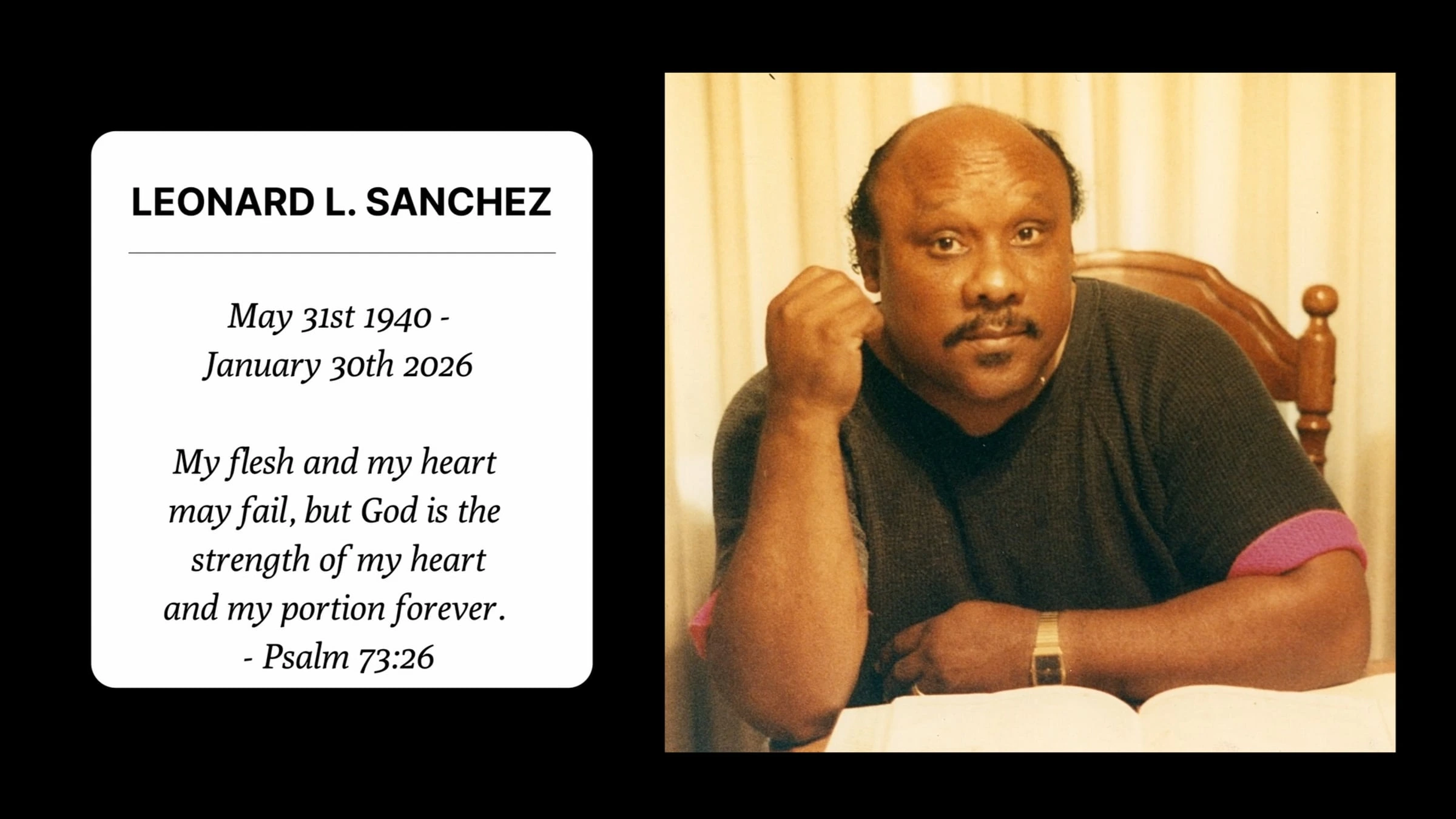
A memorial video is produced after someone has passed, assembled from photographs, existing footage, and the memories of people who knew them. It honors who someone was.
A personal legacy video is produced while someone is alive and able to speak for themselves. It captures who someone is, in their voice, with their perspective, telling their own story.
The memorial video is always possible, however late it’s produced. The personal legacy video is only possible while the person is here. That’s the urgency behind it.
How Realist Films approaches personal legacy interviews
Kaye Shandro’s story represents the kind of interview Realist Films has produced for individuals and families who understand the value of capturing a story while the person who holds it is still here to tell it. The production approach is the same one that governs all our interview work: patient listening, questions that open rather than direct, an environment that makes the subject comfortable enough to be genuinely present rather than performing for the camera.
The result is something a family keeps not because it’s polished, but because it’s true, because it sounds like the person, tells the stories the way they would tell them, and preserves something that would otherwise exist only in memory.
Have a family member whose story deserves to be captured while they’re still here to tell it?
Let’s talk about what that interview would look like and how to approach it.