Product Video for Agricultural and Farming Operations: Reaching the Working Farmer
There are two distinct audiences for a utility vehicle like the Denago Freelander, and they evaluate the same product through completely different lenses.
The ranch lifestyle buyer is drawn in by the feeling the vehicle enables, freedom, outdoor living, the particular quality of working land you love. The agricultural farming operator is drawn in by something more specific: does this vehicle do the work? Can it handle the demands of a real farming operation, the distances, the terrain, the load requirements, the daily-use durability that a working farm demands of its equipment?
These are different buyers with different decision frameworks, and the product video that works for each of them is built differently.
How the agricultural buyer evaluates a working vehicle
A farmer or agricultural operator evaluating a utility vehicle for their operation is running a very specific mental checklist. They’re thinking about the tasks the vehicle needs to perform, hauling supplies across a property, moving between field sections, checking irrigation systems, carrying tools and equipment through conditions that range from dry dust to muddy field rows. They’re thinking about how the vehicle will hold up over a season of daily use, whether it can handle the weight requirements of their specific operation, and whether the maintenance requirements fit into a farm’s operational reality.
For an electric UTV specifically, they’re asking additional questions: How does battery range hold up across a full working day? What happens to performance in extreme heat, which is common in the agricultural regions where these vehicles are most useful? Can it be charged from existing farm electrical infrastructure? Is the quiet operation a practical advantage, for early morning work near residential areas, for communicating with workers in the field, or just an incidental feature?
A product video for this audience needs to show the vehicle doing real farm work, in real farm conditions, in a way that answers these operational questions through demonstration rather than description.
What a farming context communicates that a ranch lifestyle context doesn’t
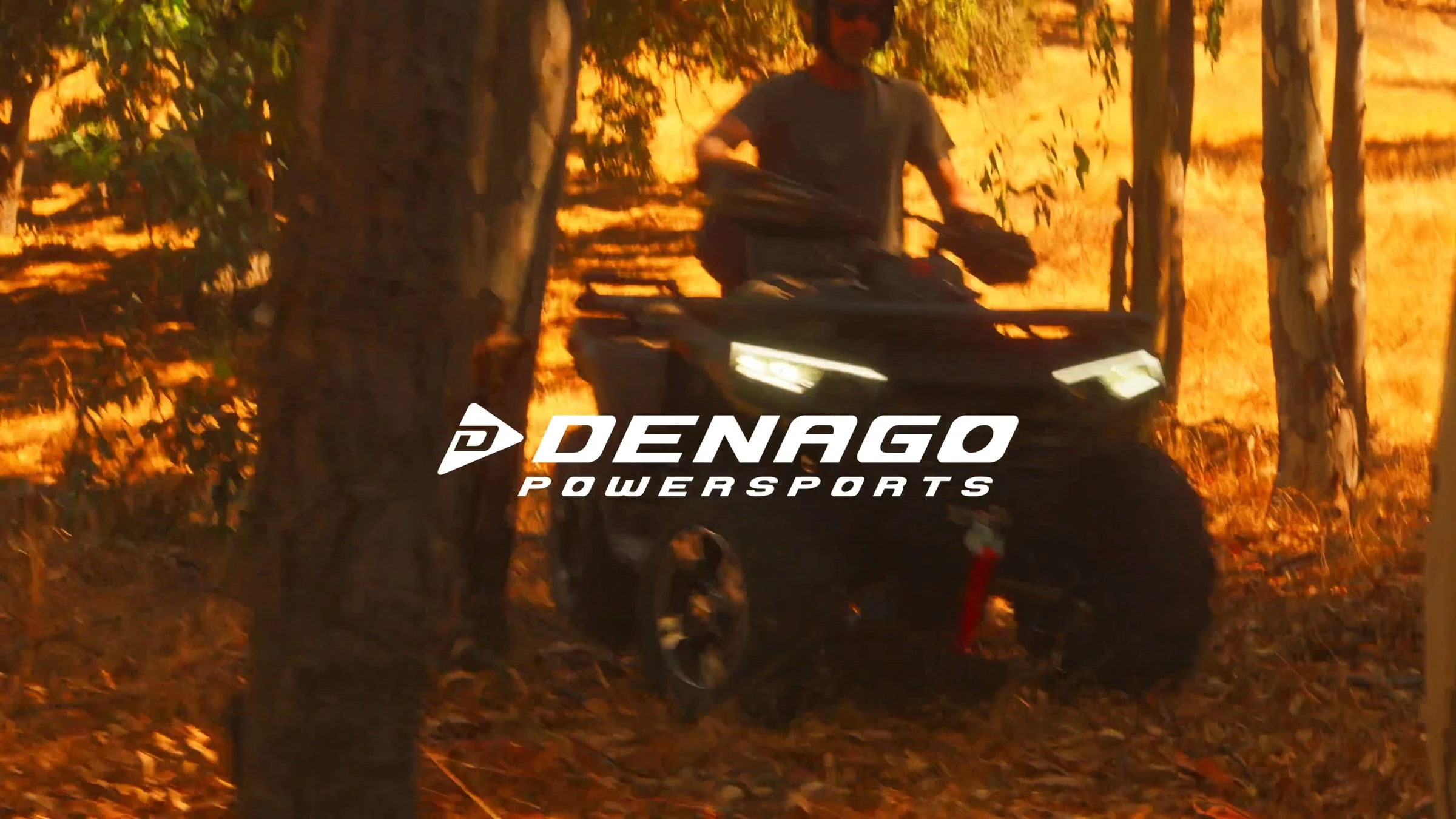
The Denago Ranch Life video (post 47) showed the Freelander as part of a way of living on land, the broader lifestyle of ranch ownership and the particular freedom an electric UTV enables in that context. That content speaks to a buyer who is making a purchase connected to identity and lifestyle as much as to utility.
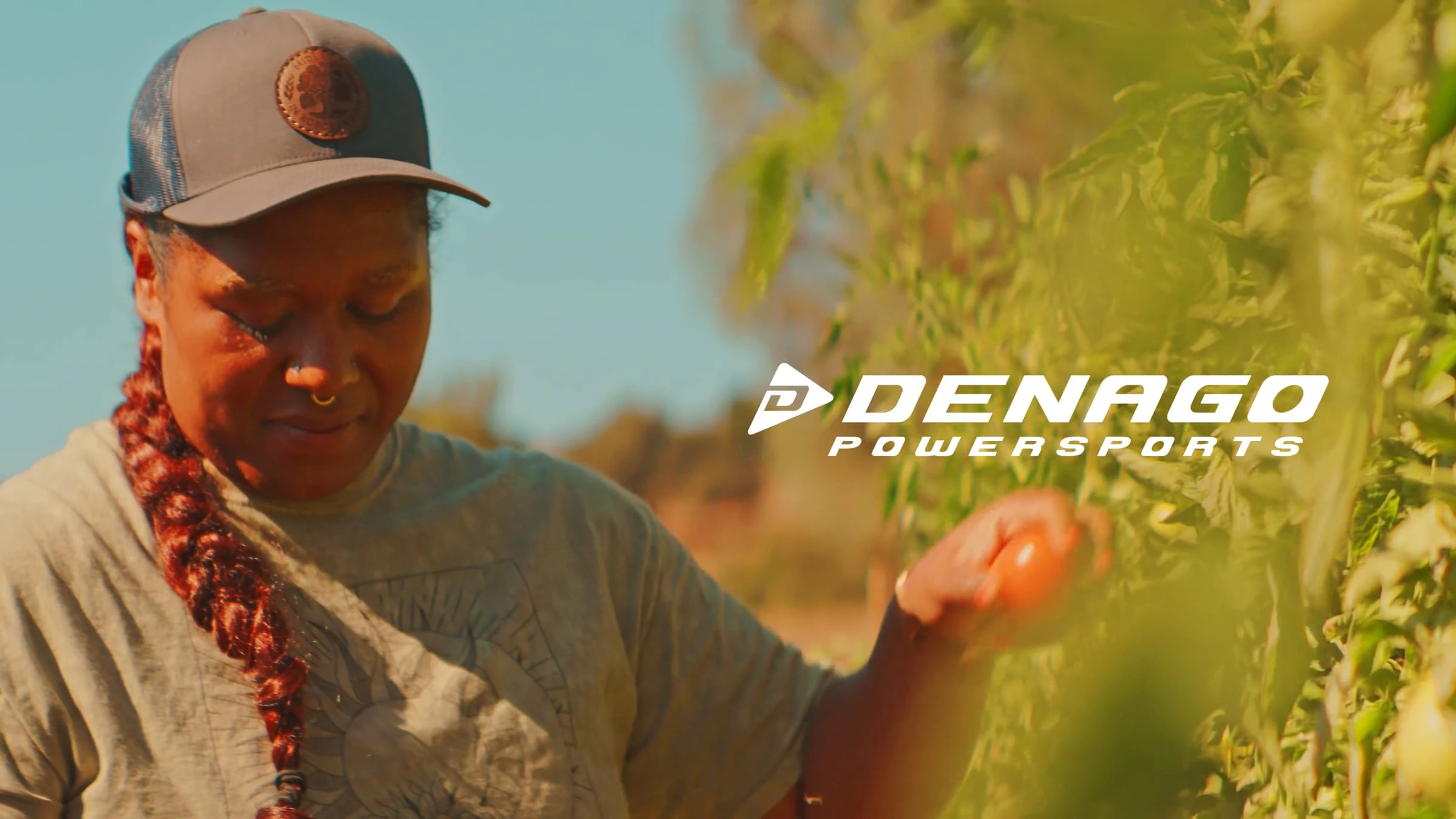
The Farming vertical video is doing something more focused: it’s showing the vehicle in an explicitly working agricultural environment, crop rows, irrigation infrastructure, the visual language of productive farmland rather than open rangeland. That specificity changes who the video reaches and what it says to them.
A working farmer who watches the Ranch Life video may connect with the landscape but may not see their own operation reflected in it clearly enough to make the relevance immediate. A working farmer who watches the Farming video sees something closer to their own environment, the rows, the agricultural infrastructure, the specific conditions their vehicle would need to operate in — and the gap between “this looks like somewhere I’d use it” and “this is where I’d use it” collapses.
The vertical social format for agricultural audiences
Vertical social format for an agricultural audience might seem counterintuitive, farming communities aren’t typically the first demographic that comes to mind when thinking about TikTok and Instagram Reels. But the agricultural social media landscape has changed significantly in recent years, with farming and agricultural content becoming some of the most engaged-with categories on vertical social platforms.
Agricultural content on these platforms reaches a specific and motivated audience: working farmers, agricultural operators, farm equipment buyers, and adjacent audiences in rural lifestyle and agricultural business. A vertical social video showing an electric UTV in a real farming context circulates in these communities in ways that a standard equipment manufacturer’s marketing video typically doesn’t, because it looks like the content these communities already produce and share, rather than like a commercial dropped into their feed.
The vertical format also reaches the farm operations manager or agricultural buyer who is doing research on their phone — comparing vehicles, looking for operational evidence, trying to understand whether an electric UTV fits into their operation, in the format most native to that research behavior.
What farm-context production requires
The environment needs to be authentic. A farming video shot in a field that looks like it was planted for the shoot, or that lacks the operational infrastructure, irrigation lines, equipment, evidence of active agricultural use, of a real working farm, reads as staged to an audience that knows what working farms look like. The same authenticity radar that makes skateboarding content difficult to fake applies, in different ways, to agricultural content.
The vehicle needs to be shown doing actual farm tasks. A UTV driving through a field is a start, but it’s not enough to demonstrate operational utility to a working farmer. What they want to see is the vehicle carrying something, being used to access a specific part of a property, functioning in the kind of conditions, dust, uneven terrain, tight spaces between rows, that their own operation involves. The more specific the demonstration, the more useful it is to the buyer evaluating it.
Timing matters for agricultural content. A farming video shot during a visually appropriate growing season, when crops are at a stage that makes the agricultural context legible, reads differently than one shot in a dormant field. This is a location scouting consideration that’s specific to agricultural production: the timing of the shoot relative to the seasonal cycle of the farm matters for how authentic the content feels.
How this extends the Denago campaign’s reach
The Denago Freelander campaign now addresses at least two distinct buyer segments: the ranch lifestyle buyer (Ranch Life video) and the agricultural farming operator (Farming vertical). These two audiences overlap significantly, many people who farm also ranch, and vice versa, but they’re distinct enough that content specifically calibrated to each reaches people that content calibrated only to the other might miss.
This is the same multi-context logic that appeared in the SyneticUSA Truck Families campaign (posts 83, 84): a campaign that produces content across multiple relevant contexts reaches a broader total audience than one that commits to a single context, even when the product and the brand identity remain consistent across all of them.
For an electric UTV brand entering a market dominated by gas-powered alternatives, maximizing the breadth of relevant contexts where the product is shown working is part of how a new entrant earns consideration across the full range of potential buyers rather than capturing only the most obvious segment.
How Realist Films approaches agricultural and rural industry product video
The Denago Freelander Farming vertical video reflects a production approach calibrated to the agricultural buyer’s decision framework, showing the vehicle doing real work in a real farming environment, in a format native to the platforms where agricultural buyers now do significant research.
We produce product and lifestyle content for powersports, agricultural, outdoor, and rural industry brands, understanding that the buyers in these markets evaluate authenticity with the same precision that any expert community brings to content that claims to represent their world.
Have a product used in agricultural or rural operational contexts and want video that reaches that buyer where they actually are?
Let’s talk about what a farming or rural operations production looks like for your specific product.