
Social-First Product Video for Consumer Tech Accessories: When the Demo Is the Ad
Consumer tech accessories live or die by discovery. A selfie clicker, a phone mount, a wireless earbud case, these are products that most people didn’t know they needed until they saw someone using one and immediately understood why it was useful. The product video for this category isn’t primarily a purchase-stage asset. It’s a discovery asset, the thing that creates the moment of recognition that starts the buying journey.
That’s a different job from an Amazon listing video, a corporate testimonial, or a brand documentary. It’s closer to showing someone a magic trick: in the space of thirty seconds, the viewer goes from “what is that?” to “I need that.” The product video either creates that moment or it doesn’t, and the difference between the two is almost entirely about how the video is structured.
What makes social-first product video different from e-commerce video
The Amazon product video covered in the previous post is built for a buyer who has already searched for the product, someone in purchase mode who needs their final objections addressed. Social-first product video is built for a scroller who didn’t know they were looking for anything.
That different starting point changes everything about how the video is structured.
The hook is the product in action, not the product itself. A selfie clicker shown as an object communicates nothing. A selfie clicker shown in the hand of someone capturing a perfect solo photo at a scenic location, or a group of friends getting everyone in frame without asking a stranger, communicates instantly. The product’s value is visible before the viewer even registers what the product is.
The “before” has to be felt, not described. The most effective social product videos show the frustration or limitation the product solves, even for a fraction of a second, before showing the solution. The awkward arm stretch of a self-timer, the cropped-out head in a group photo, the missed moment because the phone had to be handed to someone else. That flash of recognition is what makes the solution feel necessary rather than optional.
The demonstration needs to be effortless. Consumer tech accessories are often purchased partly because they seem simple to use. A product video that makes the demonstration look complicated, too many steps, too much explanation, too much going on in the frame, creates exactly the wrong impression. The most effective demos make the product look like the obvious, easy solution to a recognizable problem.
Authenticity in the setting matters. Social media audiences have sophisticated radar for content that looks like an ad. A product demonstration filmed in an obviously staged environment, with lighting that’s too perfect and talent that’s too polished, reads as an ad in a context where the most persuasive content looks like something a real person would have posted naturally. The best social product videos thread this needle, professional enough to look intentional, natural enough to feel real.
The platforms where consumer accessories get discovered
Different platforms have different requirements for the same product video, and a social-first strategy for a consumer tech accessory needs to account for where discovery actually happens.
Instagram Reels and TikTok are where most consumer accessory discovery happens organically. These platforms reward content that hooks immediately, demonstrates a clear value proposition quickly, and ends before the viewer’s attention flags. Fifteen to thirty seconds is the sweet spot. Vertical format is non-negotiable. Music matters, the right trending audio can significantly extend a video’s reach.
YouTube Shorts reaches a slightly different audience than Reels or TikTok, often skewing toward people actively searching for product information or recommendations rather than passively browsing. A thirty-to-sixty second demonstration that’s slightly more informative than a pure entertainment-first format often performs better here.
Pinterest is an underestimated discovery channel for consumer accessories because its users are explicitly in planning and purchase mode. A product video that shows the accessory in aspirational, lifestyle-forward settings performs well on Pinterest because it fits the platform’s intent.
Facebook still reaches older demographics that are buyers for consumer tech accessories, particularly products that solve relatable everyday problems. Slightly longer format is acceptable here, sixty to ninety seconds, with more explicit product information because the audience is less resistant to product-focused content.
Production decisions that make a social product video work
Shoot for the crop. A social video that will live on multiple platforms needs to be shot with reframing in mind. The key product demonstration moment needs to be visible in a 9:16 vertical crop, a 1:1 square crop, and a 16:9 horizontal version, which means framing choices during production that give an editor the flexibility to crop without losing the essential content.
Plan for the silent viewer. The majority of social video is watched with sound off, particularly on Facebook and Instagram feed placements. Text overlays on key moments, the product name appearing at the right time, a brief callout of the main benefit, ensure the video communicates even without audio.
The talent needs to look like the buyer. Consumer accessories are sold through aspiration and identification, the viewer sees someone like themselves (or someone they want to be) using the product and pictures themselves in that scenario. Casting that fits the target demographic for a specific accessory is as important as any production decision.
The ending needs to say something. A social product video that demonstrates the product but doesn’t tell the viewer what to do next leaves the discovery moment incomplete. A clear on-screen call to action, a product name, a URL, a “link in bio” prompt, completes the conversion pathway that the demonstration opened.
How this differs from influencer content
There’s a point of confusion worth addressing: a professionally produced social product video and influencer content for the same product serve different purposes and shouldn’t be conflated.
Influencer content for a consumer accessory works through personal trust, the influencer’s audience follows them because they trust their recommendations, and a mention or demonstration within that trusted context carries credibility. It’s relatively unproduced by design, and its reach depends on the influencer’s existing audience.
A professionally produced social product video is a brand asset that can be used across multiple channels, run as paid advertising, appear on the brand’s own social profiles, and be repurposed in multiple formats. It performs differently from influencer content because it’s built to work regardless of an existing relationship between the viewer and a particular person. Its credibility comes from how it demonstrates the product, not from who is demonstrating it.
Both have roles in a complete consumer accessory marketing strategy. They’re not substitutes for each other.
How Realist Films approaches social-first consumer product video
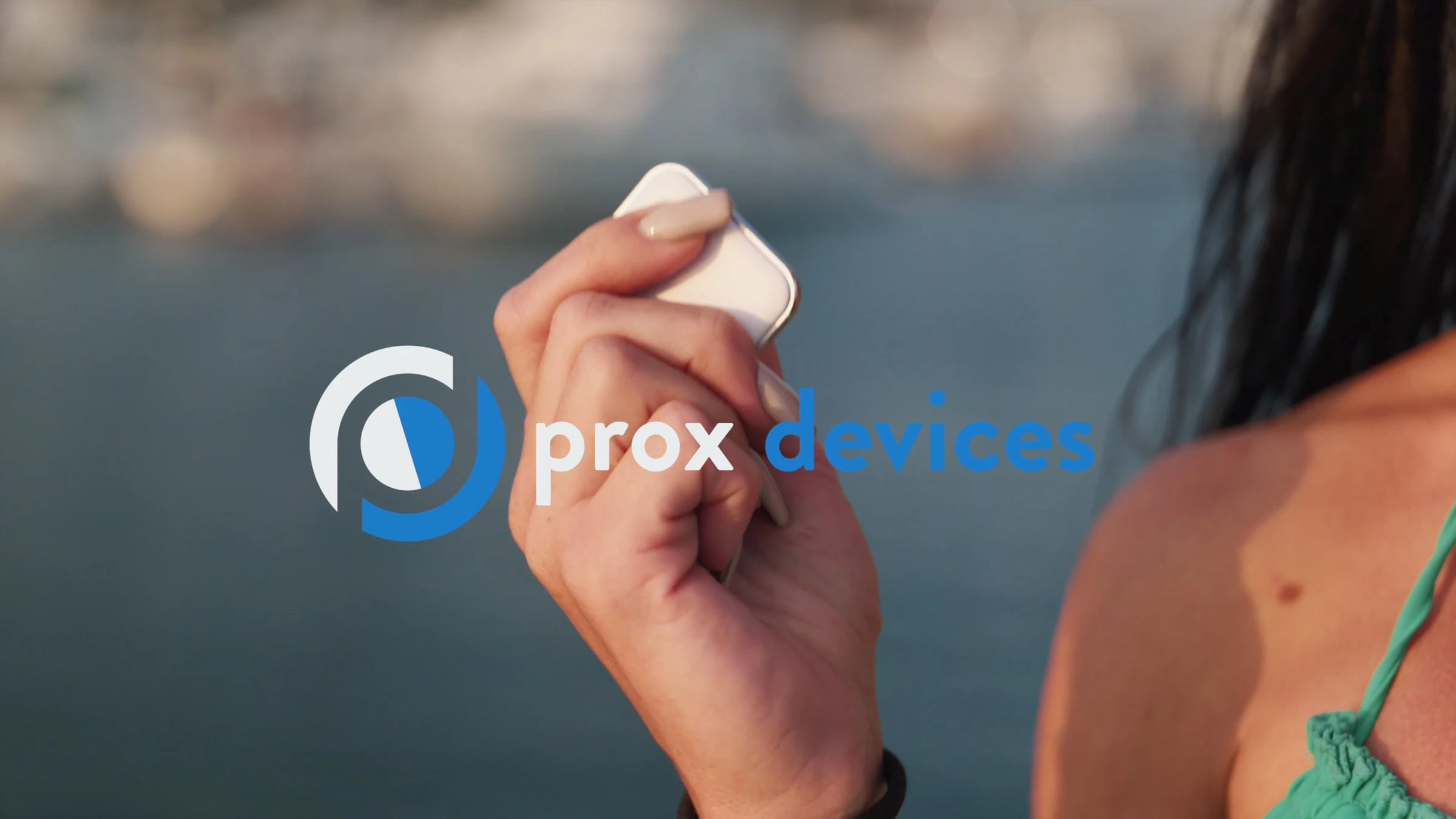
The Prox Devices Selfie Clicker video reflects a production approach built around the specific requirements of social discovery, a hook that shows the product’s value before explaining it, a demonstration that makes the product look effortlessly useful, and a production style that’s professional enough to look intentional without being so polished it reads as advertising rather than content.
We produce product video for consumer electronics, accessories, and lifestyle goods across social platforms and e-commerce channels, understanding that the formats and requirements of each platform are different, and that a video planned from the start to work across multiple contexts delivers more value from a single production investment than one optimized for a single placement.
Have a consumer product that needs video built for discovery on social platforms, not just listing on e-commerce?
Let’s talk about what that production looks like for your product and your target buyer.


