
Product Video for EV Accessories: Reaching a Community That Already Speaks the Language
Electric vehicle owners are not a typical consumer audience. They research their purchases with unusual depth, participate actively in online communities, follow technology developments in the EV space with genuine enthusiasm, and, perhaps most importantly, talk to each other constantly about what works and what doesn’t. Word travels fast in EV communities, and it travels specifically because the people in those communities trust each other’s experience over manufacturer claims.
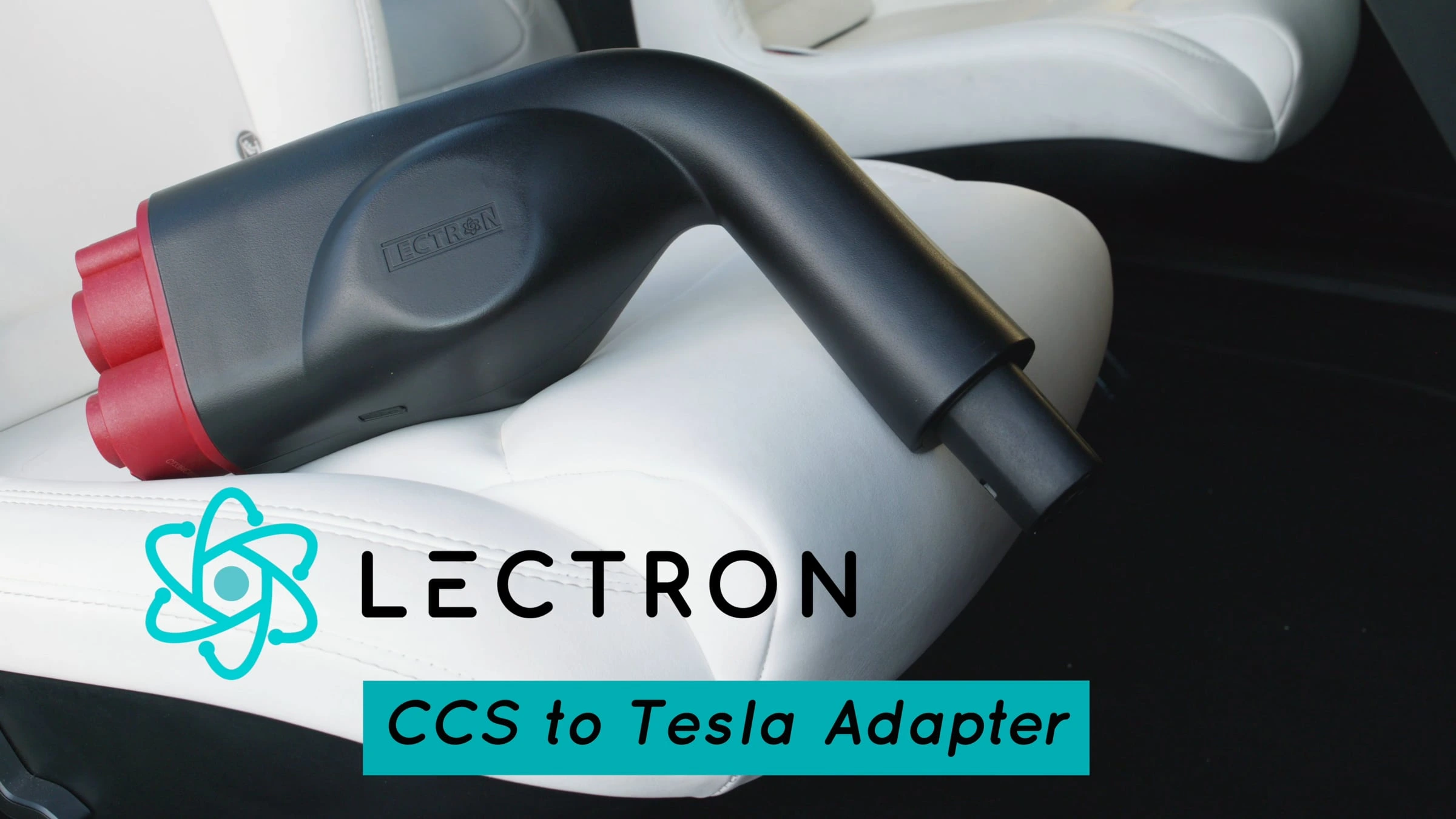
A product video for an EV accessory like the LECTRON CCS to Tesla adapter is entering that community context the moment it appears online. The audience watching it has opinions. They know what a CCS connector looks like and why compatibility with Tesla’s Supercharger network matters. They’ve read the threads about adapter reliability. They’re not discovering a product category they didn’t know existed, they’ve been waiting for this specific solution and evaluating it against alternatives.
That starting point changes everything about how the video needs to work.
The EV accessory buyer vs. the general consumer
A general consumer watching a selfie clicker video is seeing the product category for the first time and being recruited into wanting it. An EV owner watching a CCS-to-Tesla adapter video already understands exactly why this product exists, already has context for why it’s significant, and is evaluating whether this specific product solves the problem in a way they can trust.
That’s a more sophisticated buyer making a more considered decision, and the video needs to meet them where they are rather than starting from scratch explaining the category.
Technical credibility matters more than lifestyle aspiration. An EV accessories buyer watching a product video is looking for evidence that the adapter works, that the connection is solid, that charging initiates properly, that the product handles real-world Supercharger conditions. Lifestyle footage of someone driving a beautiful EV on a coastal road is pleasant, but it doesn’t answer the question the viewer is actually asking.
The demonstration needs to show the product working in real conditions. A product video that shows the adapter functioning in what looks like a controlled studio environment is less convincing than one that shows it working at an actual Supercharger station, in an actual parking lot, with the kind of variability that a real charging session involves. The community audience can tell the difference, and they weight authentic demonstration footage significantly in their evaluation.
Specificity builds trust in this audience. An EV community audience responds well to content that treats them as capable of handling specific information, the adapter’s charge rate capabilities, its compatibility specifications, how it handles different Supercharger generations. A video that gives them this information specifically rather than gesturing toward it generally earns credibility that a more polished but less informative video doesn’t.
How the EV community distributes product content
The channels where EV accessory products get discovered and evaluated have specific characteristics that shape how a social edit needs to be structured.
YouTube is where serious EV research happens. Longer-form review and demonstration content performs well because the audience is specifically seeking detailed information about products they’re considering. A social edit that provides enough technical substance to stand on its own rather than feeling like a teaser for content that doesn’t exist performs better in the YouTube EV audience than content clearly designed for shorter-form platforms.
Reddit EV communities r/teslamotors, r/electricvehicles, r/ChargingNetwork are where community discussion and product evaluation happen in real time. A video shared in these communities gets evaluated critically, questioned, and debated by people with genuine technical knowledge. A video that can withstand that scrutiny earns organic distribution through the community. One that can’t becomes a cautionary example in the comment thread.
Facebook EV groups are significant in ways that are sometimes underestimated. These groups reach EV owners who are active community members but not necessarily early adopters. the second-wave buyers who are highly motivated to solve practical problems like charging network compatibility and who respond well to peer-validated product recommendations.
Instagram and TikTok reach a broader audience that includes EV enthusiasts and people who are EV-curious but not yet owners. Content that works in these contexts tends to be more visual and less technical, leading with the “what does this unlock” story, charging at Tesla Superchargers regardless of what brand of EV you drive, rather than the technical specifications of how it works.
The timing dimension: products that solve specific problems at specific moments
The LECTRON CCS to Tesla adapter is a product whose relevance is tied to a specific moment in EV infrastructure history, the opening of Tesla’s Supercharger network to non-Tesla vehicles. That context made this product both necessary and time-sensitive: EV owners who suddenly had access to a vastly expanded charging network needed a solution immediately, and the brands that had compelling video content ready when the market opened captured disproportionate attention.
This is a reminder that product video planning should account for market timing. A video that exists when a product is newly relevant reaches an audience whose interest is at its peak. A video produced six months after the moment of peak relevance reaches an audience that has already found solutions or moved on.
What the social edit format means for this product specifically
The “social edit” designation on this video is significant, it indicates a version cut specifically for social platform distribution rather than a longer-form product overview or an Amazon listing. For a product with genuine technical substance, the social edit has to make choices: what to show in a compressed runtime, what to leave out, and how to give the technically engaged viewer enough to be interested without trying to cover everything in thirty seconds.
The best social edits for technically complex products tend to focus on a single compelling moment, the adapter connecting, charging initiating, the Supercharger screen confirming a successful session, and let that moment do the work of establishing that the product functions as promised. The detailed technical information lives elsewhere: on the product page, in the longer-form video, in the community discussions the social edit drives traffic toward.
How Realist Films approaches EV and clean energy product video
We’ve produced product and lifestyle video for EV and clean energy brands, including Denago’s electric powersports content, and understand the specific dynamics of this audience: technically engaged, community-oriented, and highly skeptical of marketing that overpromises or underdelivers on specificity.
For EV accessory brands, that means production choices that prioritize authentic demonstration over aesthetic polish, specific technical credibility over lifestyle aspiration, and content that can hold up under the scrutiny of an audience that knows the category as well as the manufacturer does.
Have an EV or clean energy product that needs video built for an audience that does its homework?
Let’s talk about what that production looks like for your specific product and your specific community.


