
Memorial Tributes for Public Figures and Community Icons: A Different Kind of Video
Most memorial videos are made for families. They gather photographs, home footage, and personal memories to preserve a life for the people who loved someone privately, children, grandchildren, siblings, friends who knew them in the texture of daily life.
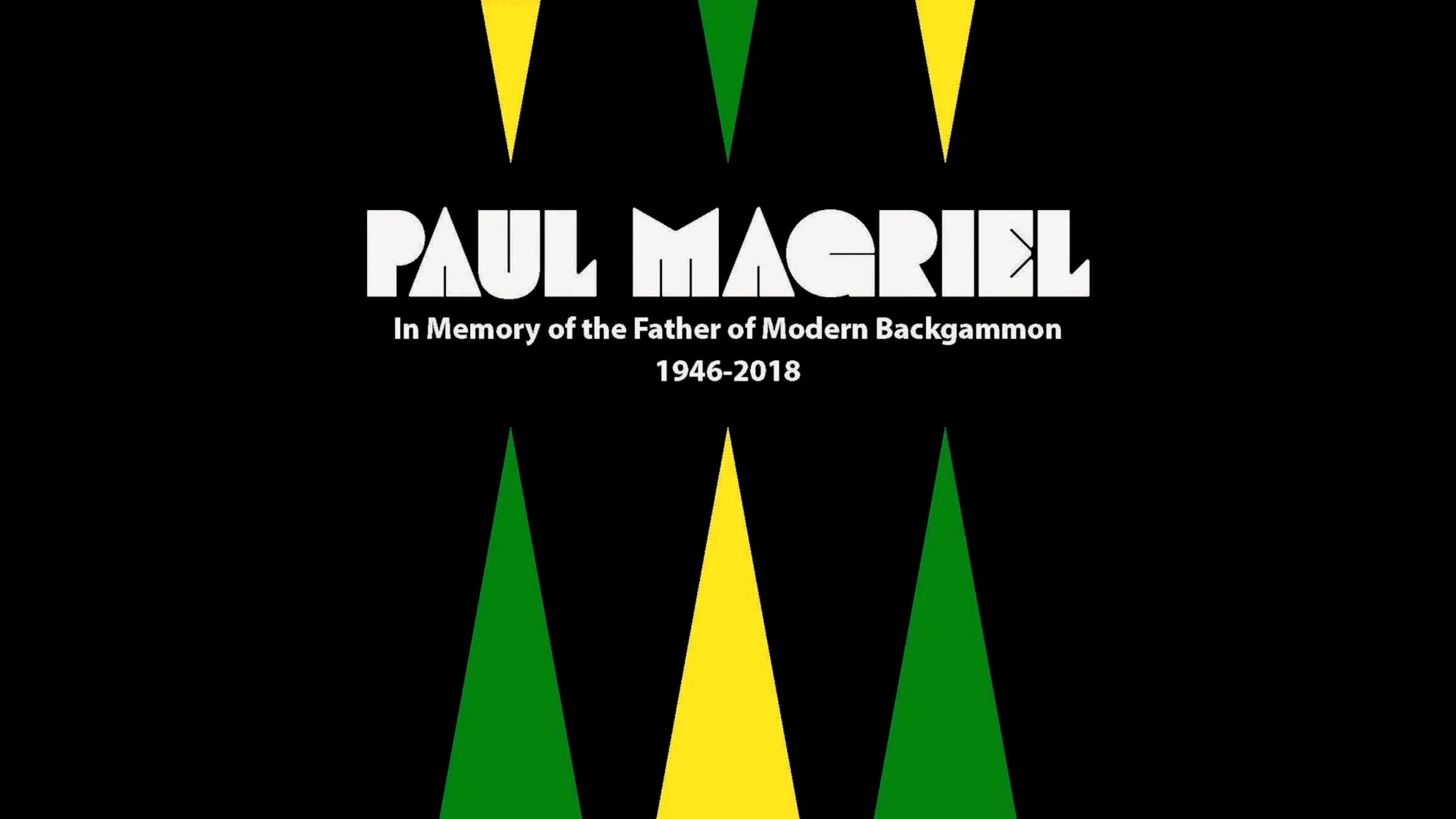
The tribute to Paul Magriel, mathematician, champion, and the man who codified modern backgammon theory in a way that changed how the game is understood and played, is a different kind of memorial. Magriel’s legacy doesn’t belong only to his family. It belongs to a global community of players, theorists, and enthusiasts whose understanding of backgammon was shaped by his work. Honoring that legacy on camera requires a different approach: one that captures not just who he was to the people who knew him personally, but what he contributed to the world he inhabited professionally and intellectually.
The difference between a family memorial and a community tribute
A family memorial is organized around personal memory, the private photographs, the particular moments, the specific qualities that the people closest to someone carry with them. Its audience is largely those who already loved the person.
A community tribute is organized around legacy, what someone contributed, what they changed, what continues because of them. Its audience includes people who may never have met the subject personally but whose world was shaped by their work. A backgammon player in Tokyo who learned the game from Magriel’s writing has a stake in his memorial that’s different from a family member’s but no less real.
That distinction shapes everything about how a community tribute is produced. The personal photographs matter, but so does the archival footage of competitive play. The family memories matter, but so does the testimony of players and scholars who can speak to what his contribution actually meant to the game. The emotional tone is grief, but it’s also something closer to gratitude, for what he left behind that remains.
What a tribute to an intellectual or artistic figure needs to capture
The contribution in context. Paul Magriel didn’t just play backgammon well, he wrote the book that transformed how the game is theorized and taught. Capturing what that contribution meant requires some context-setting that a personal memorial doesn’t: what was backgammon theory before his work, and what changed because of it. The people best positioned to speak to this are often the players and scholars who came after him and built on what he established.
The person behind the public figure. Public figures accumulate a public identity that can obscure the person underneath it. A tribute that only captures the legend fails the human being. The people who knew Magriel personally, who can speak to the specific qualities of his mind, his humor, his way of engaging with people across the backgammon table, provide the dimension that makes a tribute feel like a memorial rather than an obituary.
The community that carries the legacy forward. A legacy doesn’t end with a person. It continues in the people they influenced, the ideas they seeded, the community they helped shape. A tribute that captures something of that continuing community, players describing what his work gave them, a tournament table that still follows principles he articulated, makes the memorial about more than loss. It becomes a document of what endures.
Where community tributes get used and who watches them
A community tribute video occupies a different position in the world than a family memorial. It gets shared through the networks of the community it speaks to, in this case, through backgammon clubs and federations, through online communities dedicated to the game, through the channels where competitive players and enthusiasts gather.
It may appear at tournaments or gatherings where the community comes together to mark the loss. It becomes part of the historical record of the game and the person’s role in it. And it provides something that community members who couldn’t attend any official memorial can access, a way to be present in their grief and their gratitude from wherever they are.
For communities organized around an intellectual or artistic practice, a game, a discipline, a field of study, the death of a significant figure is a moment that calls for documentation. The people who carry the tradition forward deserve a record of where it came from and who shaped it.
The archival challenge of a public figure tribute
A community tribute often involves archival material that a family memorial doesn’t, competitive footage, press coverage, published work, recorded interviews or appearances from earlier in the person’s life. Gathering that material, clearing rights where necessary, and integrating it with current testimonial footage requires more research and coordination than a purely personal memorial.
It also requires editorial judgment about how much historical context to include. A tribute that spends too much time on biographical context at the expense of personal testimony loses the human warmth that makes a memorial moving. One that’s purely emotional without establishing what the person contributed fails the audience members who knew the person only through their public work. Finding the balance, enough context for the uninitiated, enough intimacy for those who knew him, is the central editorial challenge.
Producing a tribute under the time constraints of grief
Memorial videos of any kind are often produced under real time pressure, there’s usually a gathering, a service, or a community event that the video needs to be ready for. A tribute to a public figure adds complexity to that pressure: more material to gather, more people to contact for testimony, more archival research to conduct in a compressed window.
A production team experienced in this kind of work understands the time constraint from the first conversation and plans backward from the date the video needs to be ready rather than working forward from what would be ideal in an unlimited timeline.
How Realist Films approaches community tributes
The Paul Magriel tribute reflects a production approach that takes seriously both the personal and the public dimensions of a significant figure’s legacy. That means reaching people who can speak to the contribution alongside those who can speak to the person, finding archival material that captures the public record alongside the private memories, and editing with enough care that the result honors both the man and what he left behind.
We work on memorial and tribute content for individuals whose legacies extend beyond their families, public figures, community leaders, intellectual contributors, artists and practitioners whose work shaped the world around them. The approach is consistent: find the full truth of the person, on camera, before those who carry that truth move further into memory.
Have someone whose life and contribution deserves to be captured for the community they shaped?
Let’s talk about what that tribute would involve and how to approach it with the care and respect it deserves.


