
From Documentation to Promotion: How Military Organizations Use the Same Footage for Different Audiences
Most organizations think about video content as purpose-built: a documentary is a documentary, a promotional piece is a promotional piece, and the two don’t share much beyond a camera crew. In practice, the most efficient and strategically sophisticated content operations understand that a single production, planned carefully, can yield both, from the same footage, edited differently for different audiences and different purposes.
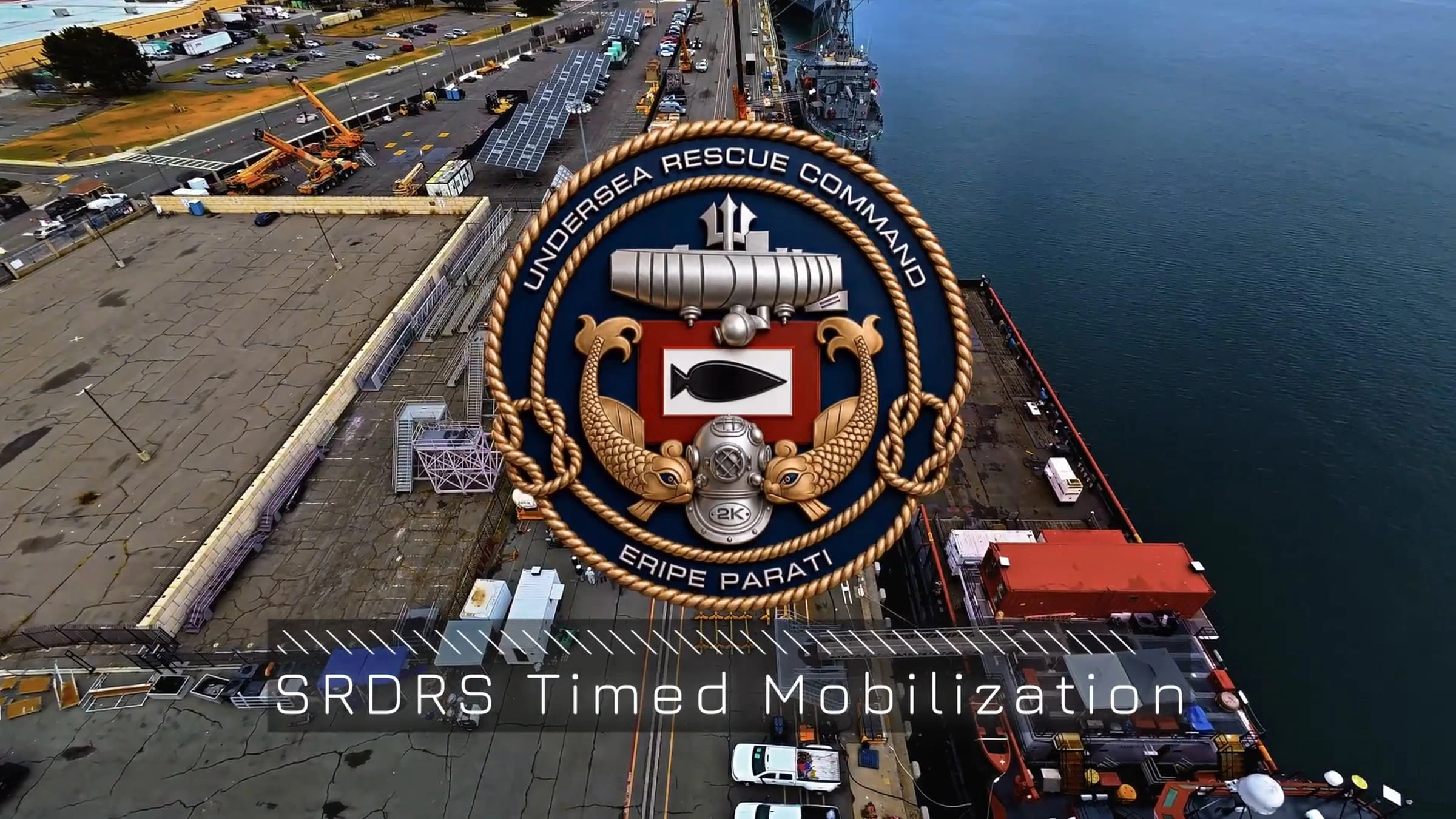
The USRC SRDRS Timed Mobilization Promo is a clear example of this. The operational footage captured to document the submarine rescue system’s mobilization sequence also becomes, through a different editorial approach, a promotional asset designed to communicate the command’s capability, readiness, and mission significance to audiences who aren’t watching for archival or procedural purposes.
The difference between documentation and promotion from the same footage
A documentation edit asks: what happened, in what sequence, and is the record complete? It’s built for audiences who need to understand the operation, command staff, training personnel, oversight reviewers, archivists. Completeness and accuracy are the primary values.
A promotional edit asks: what impression does this footage create, and does it communicate the mission’s significance effectively? It’s built for audiences who need to be engaged and convinced, senior leadership, Congressional stakeholders, coalition partners, defense media, the broader community with an interest in submarine safety. Energy, clarity, and emotional impact are the primary values.
The footage that serves both purposes is the same footage. The editorial philosophy applied to it is completely different.
Why military organizations produce promotional content
Promotional video isn’t only for commercial enterprises. Military commands produce promotional content for specific, legitimate purposes that are distinct from operational documentation.
Congressional and stakeholder communication. Military programs require sustained funding and political support. A promotional video that communicates the SRDRS program’s capability and readiness to Congressional staff, budget committees, and defense policy offices is a tool for that support, demonstrating in two compelling minutes what a budget justification document says in forty pages.
Coalition and international partner engagement. Submarine rescue is an internationally coordinated mission. The SRDRS system is part of a broader NATO and allied submarine rescue framework. Promotional content that demonstrates US capability and readiness communicates to coalition partners the reliability of American contributions to shared submarine rescue commitments.
Defense media and public affairs. The US Navy and broader defense establishment communicate with the public and with the defense community through media outlets, social channels, and public affairs vehicles. A well-produced promotional video is an asset for that communication, demonstrating mission capability in a format that media can use and audiences can engage with.
Recruiting and professional military community. Within the naval and defense professional community, the SRDRS mission represents a highly specialized and technically demanding capability. Promotional content that communicates what the mission involves and why it matters is relevant to officers and enlisted personnel considering assignment to the command.
What makes a promotional edit work differently from a documentary one
The editorial decisions that produce a useful documentary edit are not the same ones that produce an effective promotional piece. A few of the significant differences:
Pacing is faster and more purposeful. A documentary edit can sustain slower sequences because the viewer’s purpose is to understand a process in full. A promotional edit needs to earn continued attention from an audience that came to be impressed, not to study. Cuts are tighter, sequences are more dynamic, and the overall momentum of the edit needs to build rather than sustain.
Music drives the emotional register. Operational documentation often doesn’t use music at all, it lets the sounds of the operation carry the audio. A promotional edit uses music to establish the mission’s emotional weight: the seriousness of what the SRDRS does, the precision of the mobilization, the stakes of submarine rescue capability. Those qualities are communicated through the combination of footage and score in a way that footage alone doesn’t achieve.
The most visually compelling moments lead. A documentary edit sequences footage according to operational logic, what happened first goes first. A promotional edit sequences footage according to visual impact, the most arresting, dynamic, and impressive shots establish the mission’s character as early as possible, drawing the viewer in before the more procedural sequences establish context.
Title cards and graphics carry messaging. A documentary relies on the footage to communicate what’s happening. A promotional edit often incorporates title cards, lower thirds, and graphic elements that frame the mission for an audience without prior context, establishing what the SRDRS is, what its mission is, and why it matters, in language that a non-specialist can follow.
The production planning that makes both versions possible
The most important point about producing both a documentary and a promotional version from the same footage is that this outcome has to be planned before the shoot begins — not decided after the documentary edit is delivered.
Coverage decisions that serve a documentary may not serve a promotional edit, and vice versa. The wide establishing shots that give a promotional edit its visual scope may not be necessary for a documentation edit. The detailed procedural coverage that makes a documentation edit useful may not have the visual dynamism a promotional cut needs.
Planning for both deliverables from the start means the crew captures what both require, which usually means somewhat broader coverage than a single-purpose shoot would need, but considerably less than two separate productions.
How this principle applies beyond military contexts
The same logic applies across many categories of production. A corporate documentary and a promotional brand film can be planned from the same shoot. A long-form case study and a short social ad can come from the same interview session. A conference documentary and a sizzle reel can be cut from the same event coverage.
In every case, the efficiency comes from planning the full deliverable set before production begins, capturing coverage that serves all planned versions, and applying different editorial philosophies to the same footage in post rather than going back to capture more.
How Realist Films approaches multi-purpose military and defense production
The USRC work across its four deliverables, the timed mobilization short edit, the full six-minute timelapse, the Captain Mowry interview, and the promotional promo, represents a production approach that planned for the full range of uses from the beginning. The footage that documents the mobilization is also the footage that promotes the mission, because the production was designed to serve both purposes rather than optimizing for one at the expense of the other.
For military, government, and defense clients who need their productions to work across multiple audiences and multiple purposes, planning for that range upfront is what makes a single production investment do the work of several.
Have a military or defense production that needs to serve both documentation and promotional purposes?
Let’s talk about how to plan the coverage and the deliverable set before the shoot begins.


