
Why Equine Therapy Organizations Need Impact Story Videos, And What Makes Them Work
Equine-assisted therapy is one of those programs that almost everyone who encounters it describes the same way: “I can’t really explain it. You just have to see it.” That’s not mysticism, it’s a recognition that something real happens in the relationship between a person working through trauma and the kind of presence a horse provides, and that the mechanisms of that healing are easier to witness than to articulate.
For the organizations running these programs, that communication challenge is also their biggest fundraising and awareness challenge. Donors need to understand what they’re supporting. Veterans considering the program need to understand what they’re walking into. Community partners need to understand why the work matters. And all of them need to feel something, not just understand something intellectually, before they’re going to act.
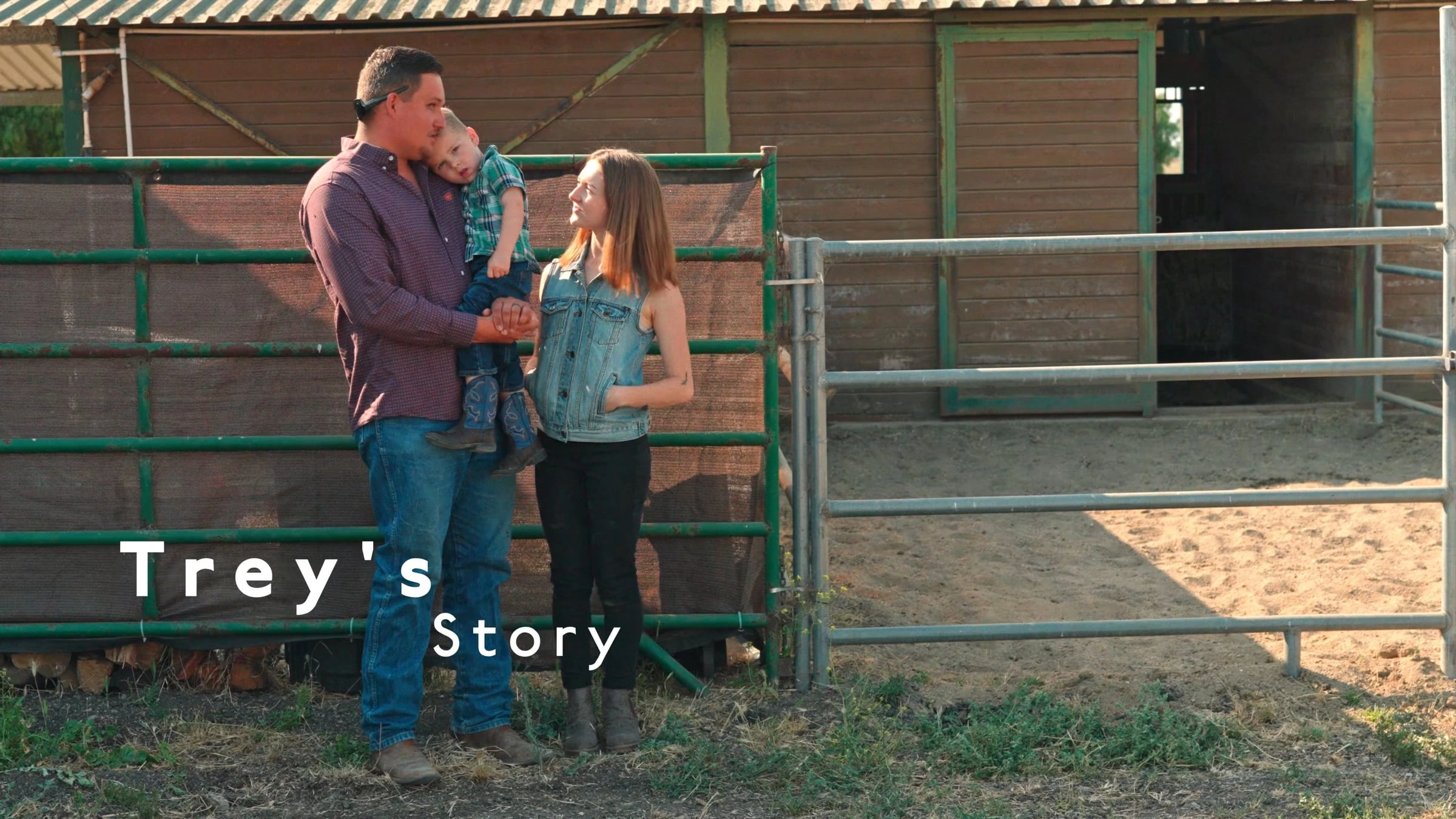
Trey’s Story: produced for a Healing Heroes Through Horsemanship program, is built to solve exactly that problem.
What this category of impact story is doing differently
Equine therapy impact stories have a specific dynamic that distinguishes them from other nonprofit video formats. The healing being communicated is primarily nonverbal, it happens in the body, in relationship, in unguarded moments that a veteran might never be able to fully put into words. The camera’s job isn’t to replace those words with narration. It’s to show what they can’t say.
This is the hardest kind of impact story to produce well. A video about a successful surgery or a rebuilt home can show a clear before-and-after because the outcome is visible. A video about a veteran healing from trauma, learning to trust again, finding stillness with a large animal, the outcome is internal. The only way to show it is through the person’s face, their body language, the quality of their presence in the footage, and the specific moments they’re willing to share about what this has meant to them.
Getting that on camera requires patience, trust-building, and genuine sensitivity to what the person has been through, not just interview technique.
The veteran audience and why this content matters to them
For veterans considering whether to engage with an equine therapy program, a story from another veteran carries weight that organizational communication simply can’t. The military community has specific cultural dynamics around asking for help, around admitting struggle, and around the kind of vulnerability that therapeutic programs require. Those dynamics don’t disappear when a veteran is suffering, they often make it harder to reach out.
A video featuring a veteran like Trey, speaking honestly about where he was before, what the experience was like, and what it has meant, does something for another veteran watching that no amount of program description achieves. It gives them permission. It shows them that someone like them did this, that it wasn’t a sign of weakness, and that something real came from it.
That’s a specific kind of persuasion that only peer testimony can accomplish.
What makes a veteran impact story different from other therapeutic narratives
Veterans are often reluctant interview subjects, not because they have nothing to say, but because the cultural training around emotional disclosure runs deep. Many veterans have spent years developing the ability to compartmentalize and present competence regardless of internal state. An interviewer who approaches a veteran interview the same way they’d approach a consumer testimonial will get a wall.
The interviews that actually produce useful footage tend to be led by someone who understands military culture well enough to create a different kind of space, one where the subject doesn’t feel like they’re performing vulnerability for a camera, but where they’ve been genuinely heard and feel safe enough to speak honestly about something real. That’s not a technique. It’s a quality of attention.
The footage that comes from that kind of interview is recognizable to anyone who has worked with veterans. There’s a specific quality to someone in the military community speaking honestly about struggle, a directness combined with a certain guardedness that makes every genuine statement feel earned rather than performed. That quality communicates credibility to the veteran audience watching, in a way that a smoother, more packaged testimonial simply doesn’t.
What the horses show that the interviews can’t
The footage of the work itself, the actual moments of equine-assisted therapy, is what gives the interview content its context and its credibility. Watching Trey with the horses, seeing how the relationship between person and animal unfolds, observing the specific way the program creates the conditions for something to shift, this footage doesn’t need narration to communicate. It shows what words can only point toward.
A production approach that understands this treats the therapy footage as primary, not as supplementary material to fill space between interview clips. The program’s story is most powerfully told through what actually happens when a veteran and a horse are in the same space. The interview provides the words. The footage provides the truth the words are describing.
Where equine therapy organizations use this content
Donor cultivation and major gift solicitation. Foundations and individual donors who fund equine therapy programs need to feel the impact of what they’re supporting before they’ll give significantly. A well-produced impact story shown during a site visit or sent ahead of a major gift conversation does work that a program description document simply can’t.
Veteran outreach and referral. The organizations that refer veterans to equine therapy programs, VA hospitals, veteran service organizations, mental health providers, respond to evidence that the program produces real outcomes for real veterans. A peer story provides that evidence in a format that’s more persuasive than a clinical outcome summary.
Community awareness and fundraising events. A Trey’s Story screened at a gala or community event creates the emotional connection that drives giving. The room responds differently to a veteran’s own account of what the horses gave him than to any description of program efficacy a presenter might offer.
Grant applications and foundation reporting. Program impact documented through individual stories carries significant weight in philanthropic grant decisions, particularly for programs whose outcomes are difficult to quantify through conventional metrics alone.
Recruitment for the program. Veterans who might benefit from the program but are hesitant to engage are often reached through peer story content shared in veteran community channels — Facebook groups, VSO newsletters, veteran-specific social media. Content that speaks honestly from one veteran to another circulates in those communities in ways that organizational marketing rarely does.
The production care this content requires
A story like Trey’s demands that everyone involved in the production treats the subject’s experience, and the larger context of veteran trauma and healing, with complete seriousness. That means pre-production conversations that build genuine trust before the camera ever appears. It means a production pace that follows the subject’s comfort rather than the crew’s efficiency. It means editorial choices that protect the dignity of the person on screen even when the moments captured are vulnerable ones.
It also means understanding that the goal is not to produce a sad video about trauma, but to produce an honest video about healing, which is a different editorial tone entirely. Trey’s story is about what the program gave him, not about what the war took. The footage and the interview that captures that distinction is one that respects the subject enough to find where he actually is, rather than staging the expected narrative.
How Realist Films approaches veteran and therapeutic program impact stories
We approach this category of production with the same care we bring to other impact stories involving vulnerable subjects, patient stories in healthcare, resident stories in senior living, beneficiary stories in disability services. The specific context of veteran trauma and equine therapy requires additional sensitivity around military culture and the specific dynamics of trauma disclosure, and we plan our production approach accordingly.
The Healing Heroes Through Horsemanship video is an example of what results from that approach: a story that belongs to Trey, told honestly, with production craft in service of the truth rather than in service of the production.
Working with a therapeutic or veteran-serving organization and want to capture the impact of your program on the people it serves?
Let’s talk about how to approach this kind of story with the care it requires.


